What Tasks Should Be Included in an Office Cleaning Checklist?
Learn how to build a cleaning checklist focusing on priorities like entrances, workstations, and shared spaces for a clean and organized office.
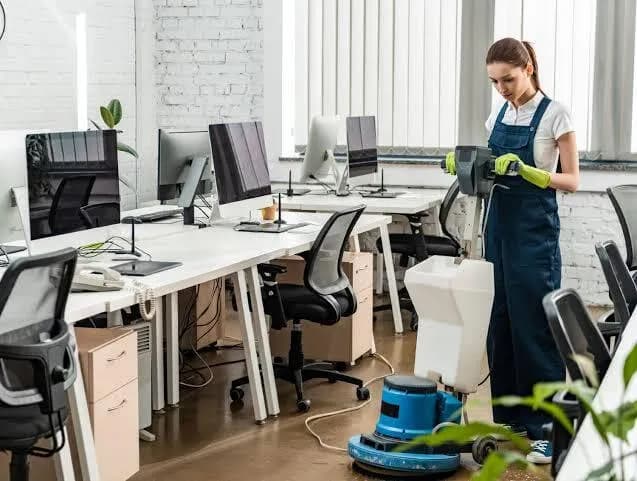
An organised office cleaning checklist helps teams maintain consistent standards and ensures heavily used areas do not get overlooked. The most effective checklist divides tasks by location, usage, traffic, and hygiene priority rather than applying identical requirements across every room. Reception spaces, washrooms, kitchens, workstations, floors, waste points, and shared areas usually need the most routine attention.
What Should a Daily Office Cleaning Checklist Cover?
A practical checklist should identify what needs cleaning, where it needs attention, and how often the task should occur. For businesses using a daily cleaning service, the checklist should focus on recurring tasks that prevent waste, dirt, visible marks, spills, and surface debris from accumulating during normal office use.
Reception and Entrance Cleaning Tasks
Entrances and reception areas often experience high foot traffic and remain highly visible to employees, visitors, customers, and contractors. Routine cleaning should therefore focus on presentation and tracked-in dirt.
Remove visible litter and loose debris.
Vacuum entrance mats and carpeted areas.
Sweep or mop suitable hard flooring.
Wipe accessible reception counters.
Remove visible marks from internal glass.
Empty waste bins and replace liners where required.
Straighten basic reception items where included in the cleaning scope.
Check door handles, push plates, and other frequently touched points.
Workstations and General Office Areas
Cleaning around desks requires care because employees may leave personal belongings, documents, devices, or confidential materials on work surfaces. Cleaners should work only on accessible areas included within the agreed scope.
Desks and Shared Surfaces
Shared workspaces often need more attention than individually assigned desks because several people may use them throughout the day.
Typical tasks include:
Wipe clear, accessible desk surfaces.
Clean shared tables and communal worktops.
Remove visible dust from accessible partitions and ledges.
Empty nearby waste bins.
Wipe suitable shared touchpoints.
Leave documents and personal belongings undisturbed unless specific instructions apply.
Floors and High-Traffic Areas
Floors collect dust, grit, food debris, moisture, and tracked-in soil throughout the working day.
Routine tasks can include vacuuming carpets, sweeping hard flooring, mopping suitable surfaces, and spot-cleaning visible spills or marks. Corridors, lift lobbies, stairways, and routes between shared facilities may require greater attention because they receive more movement.
Washroom Cleaning Tasks
Washrooms need structured and consistent attention because repeated use quickly affects fixtures, floors, waste bins, and consumable supplies.
A practical checklist may include:
Clean toilets and urinals where applicable.
Clean basins, taps, and suitable fixtures.
Wipe relevant touchpoints.
Clean mirrors.
Refill soap and agreed consumables.
Check toilet paper supplies.
Empty waste bins.
Mop flooring.
Remove visible marks and debris.
Report leaks, damage, shortages, or other issues requiring further attention.
The required frequency should reflect occupancy levels and how heavily the facilities are used.
Kitchen and Break Room Cleaning Tasks
Shared kitchens and break rooms can accumulate crumbs, food waste, spills, fingerprints, and general surface mess quickly. Routine cleaning helps prevent these areas from becoming difficult to maintain.
Tasks commonly include:
Wipe accessible worktops.
Clean sinks and taps.
Wipe tables and shared eating surfaces.
Remove visible food debris.
Empty general waste and recycling bins.
Spot-clean appliance exteriors where included.
Wipe suitable frequently touched surfaces.
Sweep or mop flooring.
Check for spills requiring immediate attention.
Cleaners should not automatically move employees' food, wash personal dishes, or clean appliance interiors unless the agreed scope includes those duties.
Meeting Rooms and Shared Spaces
Conference rooms, collaboration areas, shared equipment zones, and communal spaces can require attention after repeated use throughout the day.
Routine tasks may include wiping clear tables, emptying bins, vacuuming or mopping floors, removing visible marks, straightening chairs where appropriate, and checking shared touchpoints. Equipment should only be cleaned where procedures permit safe surface care.
Waste and Recycling Tasks
Regular waste management prevents bins from overflowing and keeps collection points orderly. High-use kitchens, printing areas, washrooms, and communal spaces often generate the greatest volume.
Daily responsibilities may include:
Empty full or scheduled waste bins.
Replace liners where required.
Separate recyclable materials where a workplace system exists.
Move collected waste to designated disposal points.
Check high-use waste stations for overflow or spills.
Report unusual waste that falls outside normal handling procedures.
Regulated, hazardous, or specialist waste should follow separate workplace procedures.
Frequently Touched Surfaces to Check
Frequently touched points vary according to office layout and employee movement. A checklist should reflect how people actually use the premises rather than relying on a generic list.
Areas that may require routine attention include:
Door handles
Push plates
Light switches
Shared equipment controls
Kitchen touchpoints
Washroom touchpoints
Handrails
Lift buttons
Shared counters
Meeting room controls
High-use touchpoints may need more frequent attention than those in low-traffic areas.
What Should Not Automatically Be on the Daily Checklist?
Some cleaning activities require weekly, monthly, seasonal, or condition-based scheduling rather than completion every working day.
These may include:
Carpet extraction
Upholstery cleaning
Detailed floor restoration
High-level dusting
Window cleaning
Deep appliance cleaning
Detailed grout cleaning
Specialist sanitisation
Exterior pressure washing
The correct frequency depends on surface materials, property use, condition, risk, and the agreed cleaning scope.
How Should an Office Cleaning Checklist Be Prioritised?
Cleaning priorities should reflect actual workplace demand. A lightly occupied office may not require the same frequency as a large premises with frequent visitors and heavily used shared spaces.
Consider:
Employee numbers
Visitor traffic
Office size
Operating hours
Washroom usage
Kitchen usage
Floor materials
Shared workspaces
Waste volume
Customer-facing areas
Seasonal weather conditions
Areas with unusually high foot traffic
Different parts of the same office can follow different frequencies. A reception area may require frequent attention while a rarely used storage room may need less.
How Can Businesses Keep the Checklist Consistent?
Consistency improves when responsibilities remain clear and measurable. Area-specific checklists can define who handles each task and how often it should be completed.
Useful controls include clear task ownership, completion records where necessary, supervisor inspections, defined cleaning frequencies, and reporting procedures for spills, damage, supply shortages, or unusual issues. Periodic reviews also help keep the checklist aligned with changes in staffing, layout, occupancy, or workplace use.
Conclusion
An effective office cleaning checklist should focus on the areas that generate the most routine cleaning needs, including entrances, workstations, washrooms, kitchens, floors, shared spaces, waste points, and frequently touched surfaces. Priorities should reflect occupancy, traffic, layout, operating hours, and actual usage. Separating routine tasks from periodic work also keeps the checklist practical, manageable, and relevant to the specific workplace.