10 Ways to Set Safe Access Limits for Commercial Cleaning
Discover how to establish secure access limits for cleaning crews to maintain safety and efficiency in commercial spaces.
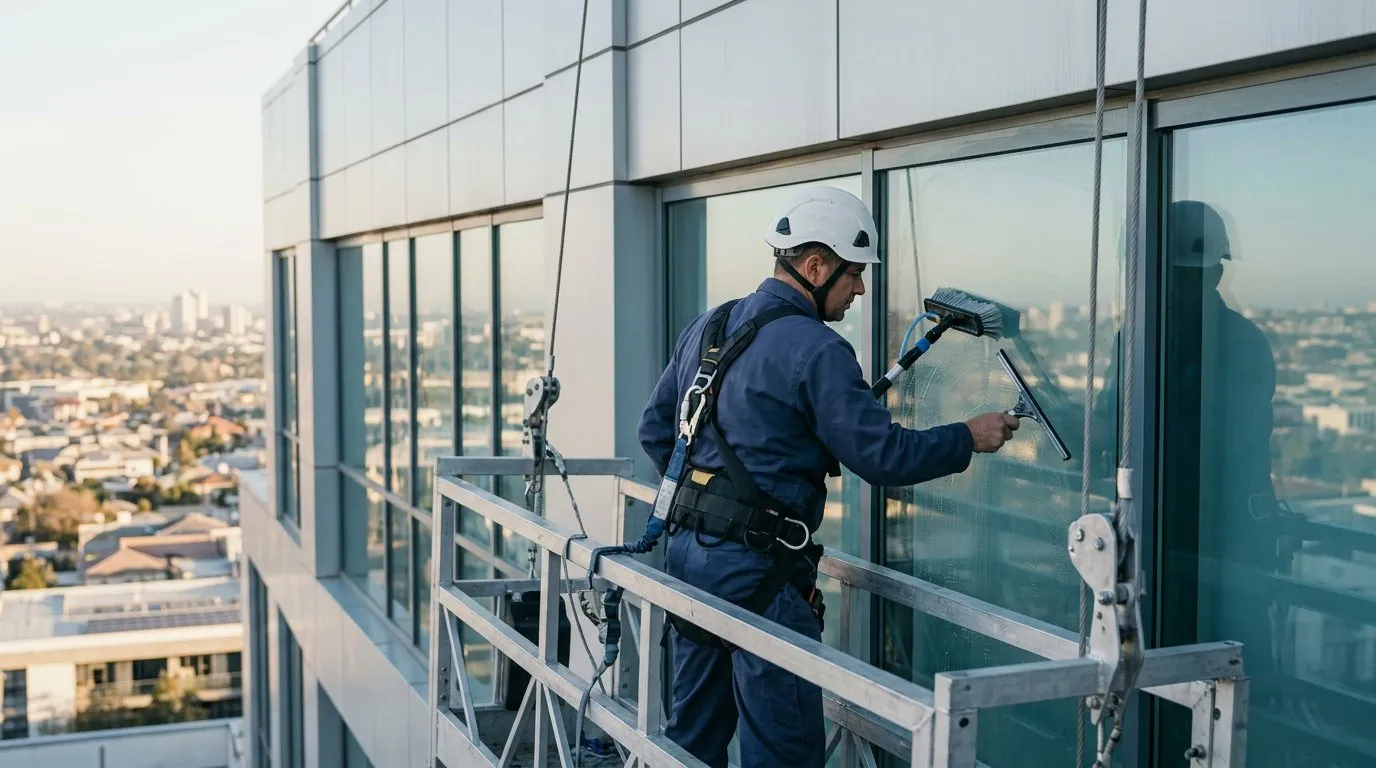
Before you approve a cleaning proposal, confirm where the crew can enter, which surfaces it can safely reach and clean, when it can work, and who can approve exceptions. Even a proposal that lists every room can leave the crew guessing about locked doors, high fixtures, heavy furniture, and rooms that stay occupied. At a San Antonio office building, for example, a crew might have routine access to the lobby but need a tenant’s permission to enter a suite. Write each limit beside the task it affects.
1. Walk the site and mark access boundaries
Start at the entrance the crew will use and follow the proposed route with the contractor’s supervisor. Review each floor, including shared corridors, tenant suites, and storage areas. At each doorway, decide whether the crew has routine access, needs permission for each visit, or should leave the area outside the agreement. Record the decision on a floor plan or room list that matches the building’s signs.
When comparing proposals for commercial cleaning services in San Antonio, ask each bidder to walk the same route before quoting. In a multi-tenant building, for example, the scope might cover a shared corridor up to the suite thresholds. Each tenant could then approve entry to its own suite. Mark the thresholds and name the contact for each suite so the crew knows exactly where its corridor assignment ends. Repeat the relevant parts of the walkthrough at the planned service time if doors, reception coverage, or tenant access change after business hours.
2. List the tasks the crew can perform in each room
Read each room entry as if you were assigning it to someone who has never been there. A line such as “clean all accessible areas” leaves open whether the crew should wipe shelves, move supplies, or clean behind fixtures. Instead, identify the surfaces and fixtures the crew should clean and state any exceptions nearby.
For example, a stockroom entry can specify vacuuming the open floor aisles while excluding shelves and stored goods. If the facility wants shelf cleaning later, record which shelves it will empty and who will confirm that they are ready. Apply the same distinction in offices where the crew can clean cleared work surfaces and occupants handle their own documents.
3. Assign responsibility for keys, badges, and escorts
Name who issues and collects keys or badges and identify rooms where an escort must accompany the crew. For an evening shift, confirm who meets the crew, when the escort can arrive, and which authorized contact takes over if that person is unavailable. If the contractor assigns a substitute crew, ask who updates the access arrangements and briefs the replacement supervisor.
Write the instructions using room names, contact roles, and agreed arrival times. When nobody can authorize entry, the crew should leave that room off the visit and complete other approved work if the schedule allows. State who records the missed room and who can arrange another visit.
4. Confirm how the crew can reach elevated surfaces
Walk through the elevated tasks one by one. Ask the contractor to identify the surface, where the worker would stand, which equipment the worker would use, and what space the task requires. A crew may agree to clean high interior glass with a pole from an open floor area. A fixture above a stairwell may call for a separate assessment because the crew would work from a different position.
Match each task to an approved method
Record which surfaces the contractor can reach with the agreed equipment and site setup. If a tall vent calls for different equipment or a specialist service, list it as a separate task that needs approval. Confirm who checks site conditions, who supplies the equipment, and who coordinates any temporary change to pedestrian access. Ask the contractor to identify applicable safety requirements for its proposed method before you add the task to the scope. For example, ask whether a high window sits above furniture that stays in place or beside a doorway the building needs during the visit. Record what the facility must arrange before cleaning begins.
5. Decide who moves obstructions
Identify what occupants should clear before the appointment. For example, staff can remove boxes from aisles and secure their own cords, while the agreement may allow cleaners to reposition lightweight chairs. Specify which items stay in place, such as loaded cabinets, heavy furniture, or connected equipment. Name the person who coordinates any move that requires help from facilities or IT.
If a work area remains blocked, tell the crew whether to clean around it, skip the affected section, or return after someone clears it. Write the expected response beside the task. For a blocked area the crew regularly encounters, agree on who will confirm that the area is clear before a return visit.
6. Note the restrictions for controlled areas
Review any equipment room, treatment area, or active loading zone with the site representative responsible for it. Ask which tasks the cleaning crew may perform, whether someone must supervise the work, and which tasks the site assigns to designated personnel or a specialist provider. List the approved surfaces and any conditions the crew must meet before entry.
For example, a loading zone entry can limit floor cleaning to an agreed period when the site contact confirms that deliveries have paused. In an equipment room, the scope can identify a clear floor aisle and exclude work on equipment or cables. Refer the crew to the site representative if conditions change during the visit.
7. Schedule work around people and traffic
Check tenant hours, meetings, delivery windows, and customer traffic before fixing the cleaning sequence. If the building needs its main entrance available during opening hours, the crew can start in another approved area and return to the lobby at an agreed time. Ask the supervisor where the crew can stage equipment and how it will keep exit routes clear.
Confirm these details before the first visit.
● When the crew can enter each occupied area.
● Which entrances and routes must remain available during work.
● When the crew can use equipment near tenants or visitors.
● Who can revise the sequence if a meeting or delivery runs long.
8. Define when to pause and who decides what happens next
Agree on when the crew should stop work in an affected area. For example, if a delivery blocks the normal route to a storage room, the supervisor should ask the named facility representative to approve an alternate route before redirecting workers. If a cleaner spots a leak or damaged flooring, the site’s procedure should identify whom to call and who assesses the area before work resumes.
Record the decision and any missed work
Give the crew a simple way to record the location, the task it paused, the person it contacted, and the action that person approved. If the contact cannot respond during the visit, specify which other approved tasks the crew can complete and who will follow up. When an alternate route becomes available, have the supervisor confirm that it leads to the same approved work area. If the facility approves a change, ask the supervisor to tell every worker affected before the crew moves. Record revised permissions, escort arrangements, and timing so the next shift can follow them.
9. Document exclusions and approve changes before work starts
Put each access exclusion beside the task it affects. For example, a glass cleaning line can specify which panes the crew can reach with the agreed method and identify the stairwell panes that require a separate quote. A restriction next to the task gives supervisors a clear answer when someone requests extra work on site.
If the client later adds a restricted room, elevated cleaning, or work that requires different equipment, ask the contractor to confirm the revised method, access requirements, price, and timing. Name the people who can approve the change. Once they agree, update the work order and circulate the same version to the crew supervisor and facility contact before the added work begins.
10. Review the first visit before settling the recurring scope
Compare the crew’s closeout note with the room list or floor plan. Focus on what the crew completed, what it skipped, and what prevented access. If a conference room stays occupied during every visit, consider a different time with the room’s scheduler or adjust the recurring scope with the contractor.
First visit review checklist
● Match completed tasks to the approved rooms and surfaces.
● Check the reasons for skipped work against the written instructions.
● Assign someone to resolve each repeat access problem.
● Confirm any agreed change to the work or schedule in writing.
Review the limits with the crew supervisor
Before the next visit, review the written access limits with the contractor’s supervisor. Check that each limit appears beside the task it affects and that the crew has a named contact for exceptions. Give the supervisor and facility contact the same updated scope.