

Daily Cleaning Service Balcones Heights TX
Cleanliness means different things in different properties. A homeowner may value an orderly kitchen and refreshed floors, while a business may prioritise its entrance, reception, and restrooms.
Begin With Expectations, Then Build the Service
A cleaning request becomes more useful when it describes the desired condition of each space. “Clean the office” leaves room for uncertainty. A specific request identifies the rooms, surfaces, tasks, and frequency involved.
Customers can prepare their expectations by answering:
Which areas should remain ready for occupants?
What do visitors see when they arrive?
Where does debris collect most quickly?
Which rooms produce regular waste?
What surfaces need particular care?
When can cleaning take place?
Who can authorise access or changes?
Which areas must remain excluded?
Oasis Cleaning can use these details to discuss a suitable service arrangement for homes and businesses in Balcones Heights.
Daily Cleaning Service Balcones Heights TX for Defined Results
Regular service can address recurring maintenance work before it becomes a larger burden. The exact result depends on a clearly approved scope rather than a universal list.
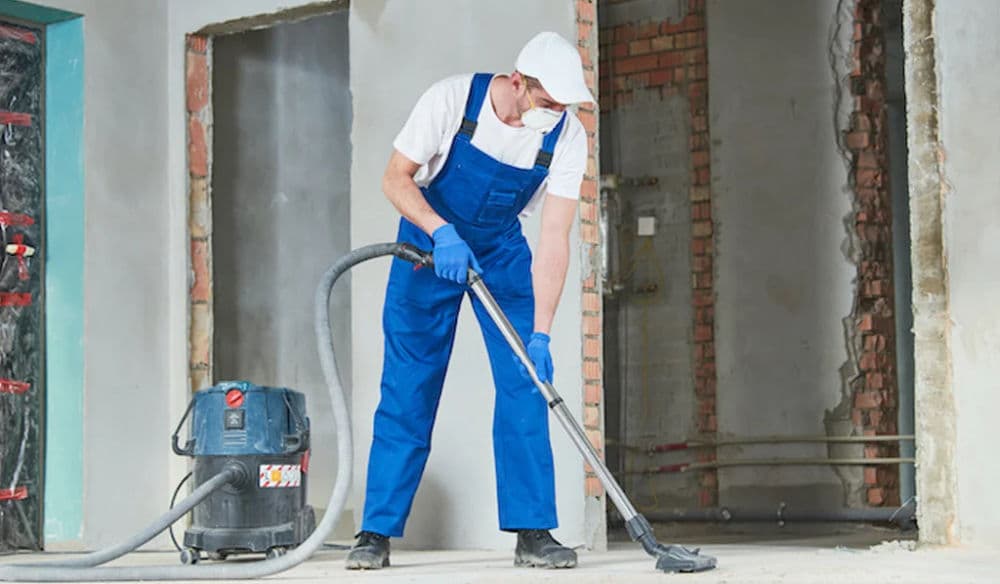
Depending on the arrangement, requested work may involve: Removing accessible dust, Collecting agreed waste, Vacuuming compatible carpets and rugs, Sweeping suitable hard flooring, Mopping authorised surfaces, Maintaining specified kitchens or break rooms, Cleaning selected bathroom or restroom areas, Wiping agreed frequently touched points, Attending to reception or waiting spaces, Tidying designated common rooms.
Customers should confirm every room, task, product, frequency, service period, access procedure, and exclusion directly with Oasis Cleaning.
Define the result you expect from each scheduled visit.
Five Moments When Property Cleanliness Matters
Cleaning supports the way occupants and visitors experience a property. Five common moments can help customers identify their priorities.
When Someone Arrives
Entrances, lobbies, reception areas, and waiting spaces create the first impression. Debris, marked floors, untidy furniture, or full bins can affect how the premises appear.
When People Work
Offices, meeting rooms, counters, and shared workspaces need an orderly setting. Scheduled cleaning can place recurring maintenance outside employees’ main responsibilities.
When People Share Facilities
Kitchens, break rooms, bathrooms, restrooms, corridors, and lifts serve several occupants. Regular use can create repeated cleaning demands.
When Customers Visit
Retail, hospitality, healthcare, and professional settings need customer-facing areas maintained according to business priorities.
When the Property Returns to Routine
After periods of heavy use, agreed cleaning tasks can help restore priority spaces to the condition set within the service plan.
Residential Service Based on Household Habits
Household cleaning demand depends on daily behaviour. Cooking, pets, children, work routines, guests, and room usage all influence how quickly spaces need attention.
For Houses
Homeowners can assign greater attention to active kitchens, bathrooms, entrances, living rooms, and suitable flooring.
For Apartments and Condominiums
Residents can create a compact scope centred on frequently used rooms. Building entry procedures and shared access rules should be communicated in advance.

Commercial Service Based on Operating Conditions
Commercial cleaning must fit the way a business functions. Opening hours, staff activity, visitor flow, deliveries, food use, and security procedures can all affect the service.
Professional Offices
Office cleaning in Balcones Heights may address authorised workspaces, entrances, receptions, meeting rooms, kitchens, break rooms, restrooms, floors, and bins.
Retail and Hospitality Businesses
Shops, restaurants, and hospitality premises may emphasise customer zones, waiting spaces, service points, staff areas, floors, and restrooms.
Medical, Dental and Educational Properties
These environments may have controlled rooms, material requirements, or property-specific procedures. An authorised representative should communicate permitted work and access limitations.
Fitness and Community Facilities
Activity rooms, entrances, communal areas, floors, and restrooms may need different frequencies based on occupancy.
Warehouses and Light Industrial Premises
Facility managers can identify authorised offices, staff rooms, reception areas, corridors, and restrooms while clearly excluding operational zones where required.
Connect your cleaning expectations to your property’s operating pattern.
Decide Where Daily Attention Adds Value
Daily cleaning may provide the greatest benefit in spaces where activity creates repeated mess. Customers can assess value through four factors:
Speed: How quickly does the area become untidy?
Use: How many people occupy or pass through it?
Importance: Does the space affect work, comfort, or visitor impressions?
Care: Could dust, grit, moisture, or spills affect suitable materials?
Areas with stronger needs may receive daily attention. Other rooms may follow a separate frequency within a custom cleaning schedule.
Set a Standard for Each Type of Space
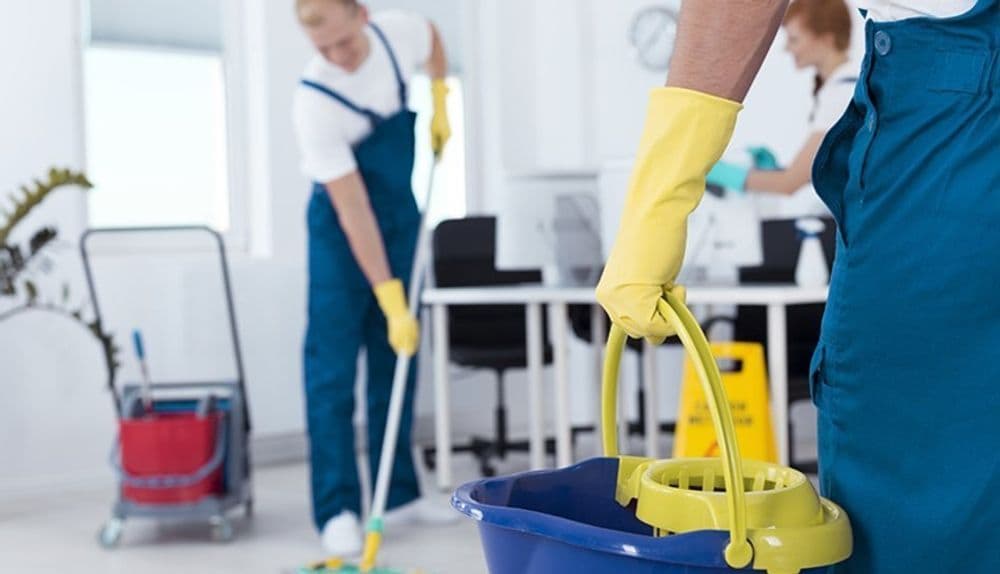
Different rooms require different definitions of completion.
Entry Standard
The agreed entrance area may require suitable floor care, mat attention, accessible-surface wiping, and waste removal.
Workspace Standard
Specified desks, meeting rooms, counters, floors, and bins may receive selected tasks according to access and occupancy.
Kitchen Standard
Agreed counters, sinks, floors, accessible surfaces, and bins may form part of kitchen or break-room cleaning.
Restroom Standard
The authorised scope may include selected fixtures, surfaces, floors, bins, and sanitising tasks.
Common-Area Standard
Corridors, lounges, waiting areas, lifts, or shared rooms may receive work based on traffic and visibility.
These examples show how customers can define expectations. They do not represent automatic service inclusions.
Create a Property Access Protocol
Cleaning cannot proceed effectively unless the service provider can reach authorised spaces at suitable times. Customers should prepare a clear access protocol.
Include:
Permitted entry points
Key or entry-code arrangements
Alarm procedures
Parking instructions
Preferred service periods
Occupied or restricted rooms
Pets within residential properties
Building management requirements
On-site contact arrangements
Departure and locking instructions
All access details should be confirmed directly with Oasis Cleaning before recurring service begins.

Frequently Asked Questions
Here's what people ask us
- What does a cleaning standard mean?
A cleaning standard describes the expected condition of each authorised room after agreed tasks are completed. It may identify required floor care, surface work, bin handling, kitchen duties, restroom tasks, and tidying expectations.
- Can customers define separate standards for different rooms?
Yes. A kitchen, reception, office, restroom, and living area may each require different tasks and frequencies. Customers should record these differences within the scope discussed and confirmed with Oasis Cleaning.
- What information should homeowners provide?
Homeowners should provide the property size, occupied rooms, household routines, pets, priority tasks, delicate materials, product preferences, suitable service periods, access procedures, restricted storage, and any duties they wish to exclude.
- How can businesses identify customer-facing priorities?
Businesses can follow the customer’s path through entrances, reception areas, waiting spaces, service points, restrooms, and exits. This helps identify visible areas that may require more frequent attention within the proposed service.
- Can each cleaning task have its own frequency?
Customers can discuss separate frequencies for different duties and rooms. High-use areas may need attention during each visit, while low-use spaces or selected tasks may follow a less frequent rotation.
- Does routine service include every listed cleaning activity?
No. Listed activities show possible duties and do not confirm service inclusions. Customers should approve each room, task, product, frequency, service period, access condition, and exclusion directly with Oasis Cleaning.
- Why are access instructions important?
Access instructions identify when and where cleaning can occur. They also communicate key procedures, alarms, parking, pets, restricted rooms, building rules, authorised entry points, and the person responsible for service-related questions.
- Can an existing scope be changed?
Customers can request a discussion when occupancy, room functions, operating hours, visitor levels, access conditions, or cleaning priorities change. Revised duties and frequencies should be confirmed before they enter the recurring service.
- Is daily cleaning appropriate for shared properties?
Daily cleaning may suit properties where several residents, employees, tenants, or visitors use common areas. Suitability depends on traffic, waste generation, room functions, access, and the standard the responsible manager wants maintained.
- How do I request a daily cleaning service Balcones Heights TX estimate?
Visit Oasis Cleaning and provide your property type, approximate size, priority rooms, cleaning expectations, preferred frequency, and access requirements. The company can discuss an estimate based on the proposed scope.