

Daily Cleaning Service Castle Hills TX
Daily life creates a fresh cleaning list every few hours. Doors open, people move between rooms, food is prepared, bins fill, and shared surfaces receive constant use.
Daily Cleaning Service Castle Hills TX With a Practical Purpose
Daily service should solve specific property problems. It may address a kitchen that needs regular attention, an office entrance with constant foot traffic, or common areas shared by several occupants.
Before choosing a plan, decide which outcomes matter most: Keeping customer-facing rooms presentable, Reducing recurring household chores, Maintaining frequently used kitchens and restrooms, Supporting clean, orderly workspaces, Managing bins before waste accumulates, Removing visible debris from suitable floors, Attending to shared areas on a set schedule, Protecting suitable finishes from prolonged dirt or spills.
Oasis Cleaning can discuss how these priorities may translate into tasks and frequencies. All inclusions, products, times, access procedures, and exclusions should be confirmed before service begins.

Build the Service From the Property Outwards
A useful cleaning arrangement starts with the premises rather than a prewritten list. Property use indicates where attention is required and how often cleaners may need to attend.
Occupancy
A lightly used apartment differs from a family residence, active workplace, or multi-tenant property. The number of occupants affects floors, bins, kitchens, restrooms, and communal rooms.
Movement
Entrances, corridors, waiting areas, and shared workspaces often experience more foot traffic than private rooms. Their cleaning frequency may need to reflect that movement.
Visibility
Reception areas, retail floors, meeting spaces, and lobbies influence visitor impressions. Businesses and property managers may place these rooms higher on the priority list.
Access
Keys, alarms, parking, pets, restricted rooms, and operating hours affect when and how cleaning can take place.
Tell Oasis Cleaning how people use your premises before selecting a schedule.
Residential Cleaning That Fits Household Life
Recurring residential cleaning can support homeowners, tenants, apartment residents, and property managers. The service can focus on selected living spaces instead of applying an identical routine to every property.
A Personalised Household Checklist
Possible tasks may include: Dusting accessible shelves, furniture, and surfaces, Vacuuming compatible carpets, mats, and rugs, Sweeping and mopping suitable hard flooring, Cleaning agreed kitchen and dining areas, Maintaining specified bathrooms, Emptying bins and replacing liners, Wiping selected frequently touched points, Tidying designated shared rooms.

Commercial Cleaning Planned Around Workflows
Daily commercial cleaning should account for what happens inside the property. Working hours, visitor traffic, staff movement, deliveries, food preparation, and security procedures all influence the required arrangement.
Office Environments
Office cleaning in Castle Hills may address reception areas, workspaces, conference rooms, kitchens, break rooms, restrooms, floors, and waste bins. The business can prioritise rooms according to use and visibility.
Customer-Facing Properties
Retail shops, restaurants, and hospitality premises may need recurring attention across entrances, waiting areas, customer zones, floors, counters, staff rooms, and restrooms.
Special-Use Facilities
Medical, dental, fitness, and educational properties may have controlled rooms or specific instructions. An authorised representative should confirm permitted areas, cleaning boundaries, products, and access requirements.
Multi-Tenant Premises
Managed buildings may require cleaning across lobbies, corridors, stairways, lifts, shared restrooms, and community spaces. The plan should reflect tenant movement and assigned property responsibilities.
Shape commercial cleaning around the way your premises operates.
Decide What Happens During Each Visit
Daily cleaning does not require every task to occur every day. A custom cleaning schedule can divide work into three levels.
Core Duties
These tasks address spaces that become untidy quickly, such as busy entrances, kitchens, restrooms, or common rooms.
Rotating Duties
Less frequently used rooms or selected maintenance tasks may move through a planned rotation.
Responsive Priorities
Changes in occupancy, events, operating hours, or room use may alter cleaning demand. Any adjustment should be discussed and agreed before it enters the service plan.
This structure helps direct time towards current property needs.
Select Tasks by Cleaning Function
Grouping duties by function makes the service easier to plan and assess.
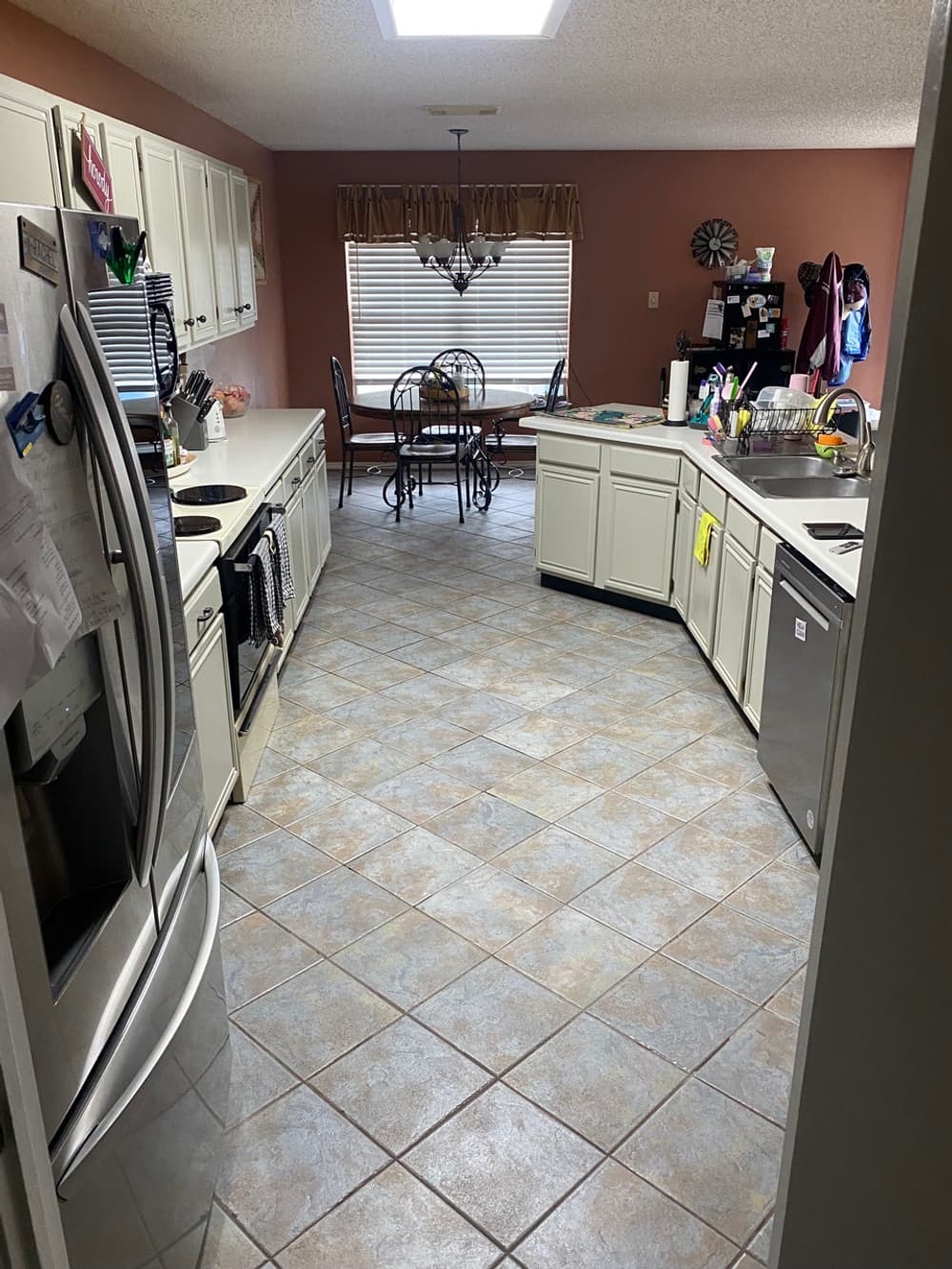
Floor Maintenance
Agreed work may involve vacuuming carpets and rugs, attending to entrance mats, sweeping suitable surfaces, or mopping compatible hard floors.
Surface Care
Dusting and wiping may cover accessible furniture, counters, desks, fixtures, and selected high-contact points. Material requirements should be discussed beforehand.
Kitchen and Break-Room Upkeep
Potential tasks include attending to agreed counters, sinks, accessible surfaces, floors, and waste bins.
Restroom Maintenance
The confirmed checklist may cover selected fixtures, accessible surfaces, floors, bins, and sanitising tasks within authorised areas.
Presentation Cleaning
Entrances, reception areas, waiting rooms, meeting spaces, and other visible zones may receive priority according to customer or visitor activity.
These are possible task categories. Customers should verify the precise scope directly with Oasis Cleaning.
Who May Need Frequent Cleaning Support?
Daily cleaning services in Castle Hills may suit: Busy households and apartment residents, Offices with regular employee attendance, Shops receiving customer traffic, Restaurants and hospitality premises, Medical and dental facilities, Schools and recreational properties, Managed residential communities, Multi-tenant commercial buildings, Religious and community spaces, Warehouses with occupied staff areas.
Suitability depends on actual cleaning demand, available access, and the scope required by the customer.
What to Confirm Before the First Visit
Clear arrangements help prevent uncertainty. Customers should confirm: Authorised rooms and work areas, Tasks assigned to each frequency, Cleaning products and surface considerations, Preferred days and service periods, Entry, alarm, and parking procedures, Pets or occupancy concerns, Restricted spaces, Excluded duties, Service communication contact, Expectations for completed visits.
Oasis Cleaning can use this information to discuss an appropriate arrangement for the property.
Why Work With Oasis Cleaning?
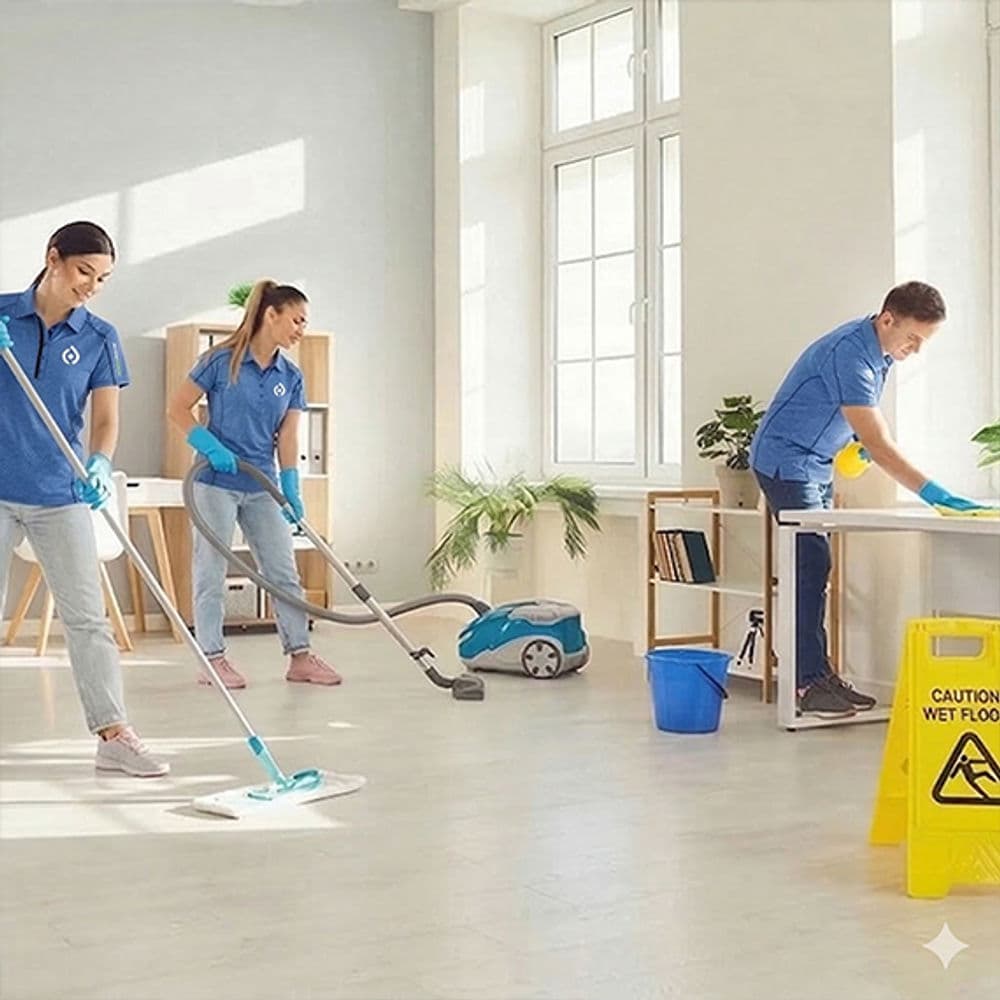
Oasis Cleaning gives customers a direct way to define their cleaning requirements. Homeowners, business operators, and property managers can discuss their priorities before committing to a recurring schedule.
The proposed plan can reflect: How the property functions, Which areas receive the greatest use, What tasks need regular attention, When service can take place, How cleaners will access the premises, Which materials require special consideration.
This planning process keeps the cleaning scope relevant to the customer’s stated needs.

Four Steps From Planning to Service
Arranging local cleaning services can begin with four decisions.
1. Identify the Property
Share its type, approximate size, layout, occupancy, and operating pattern.
2. List the Work
Specify rooms, tasks, priorities, products, and duties that should remain outside the service.
3. Set the Schedule
Choose the preferred frequency and suitable cleaning periods, then explain access requirements.
4. Confirm the Arrangement
Check the final scope and establish how future changes will be discussed.
Visit Oasis Cleaning online to begin this planning process.
Frequently Asked Questions
Here's what people ask us
- Can customers select only certain cleaning tasks?
Yes. Customers can request specific duties for agreed rooms and leave unnecessary tasks outside the proposed scope. Oasis Cleaning should confirm every inclusion, frequency, product requirement, and exclusion before recurring service begins.
- What areas may residential cleaning cover?
Residential cleaning may cover agreed kitchens, bathrooms, living spaces, bedrooms, entrances, and suitable flooring. Customers should identify priority rooms, delicate furnishings, pets, access procedures, and any areas they do not want included.
- Does a small apartment need daily cleaning?
The appropriate frequency depends on occupancy, pets, cooking activity, room use, and the resident’s preferred upkeep. Some apartments may benefit from frequent service, while others may suit a different recurring arrangement.
- How can a business organise office cleaning?
The business should list authorised workspaces, reception areas, meeting rooms, break rooms, restrooms, floors, and waste duties. It should also provide operating hours, access procedures, security rules, and preferred service periods.
- Can cleaners work around customer-facing hours?
Customers can provide their operating hours, visitor patterns, access limitations, and preferred service times. Oasis Cleaning can then discuss whether the proposed schedule aligns with the property’s operational and entry requirements.
- Why should high-traffic areas receive priority?
Entrances, corridors, restrooms, and shared rooms often collect visible dirt or waste more quickly than low-use areas. Prioritising them directs cleaning effort towards spaces with greater recurring demand and higher visibility.
- Are all surfaces cleaned in the same way?
Different materials may require different products or methods. Customers should identify delicate floors, furnishings, finishes, and product preferences before service begins so these considerations can be included in the planning discussion.
- Can property managers arrange common-area cleaning?
Property managers can request service for authorised lobbies, corridors, lifts, stairs, restrooms, and communal rooms. The proposed scope should account for building rules, tenant activity, access conditions, and assigned maintenance responsibilities.
- What happens when cleaning requirements change?
Customers can contact Oasis Cleaning when occupancy, room functions, opening hours, access, or priorities change. Any updates to tasks, timing, products, or frequency should be confirmed before they enter the recurring arrangement.
- How do I request a daily cleaning service Castle Hills TX estimate?
Visit Oasis Cleaning and provide your property type, approximate size, requested tasks, priority rooms, preferred frequency, and access details. The company can discuss an estimate based on the proposed service scope.