Every occupied property develops a daily cleaning workload. Crumbs reach the floor, bins fill, fingerprints appear, and shared rooms need attention.
The answer helps define your cleaning priorities. A homeowner might want the kitchen, bathrooms, and main living spaces maintained. An office manager may focus on reception, workstations, floors, break rooms, and restrooms.
Consider these questions before arranging service: Which rooms become untidy most quickly?
Where does foot traffic leave visible debris?
How often do bins need emptying?
Which areas do guests or customers see?
What spaces do several people share?
Are there delicate surfaces or furnishings?
When can cleaners access the property?
Which duties should remain outside the service?
These details create a useful starting point for discussing daily cleaning services in Olmos Park with Oasis Cleaning.
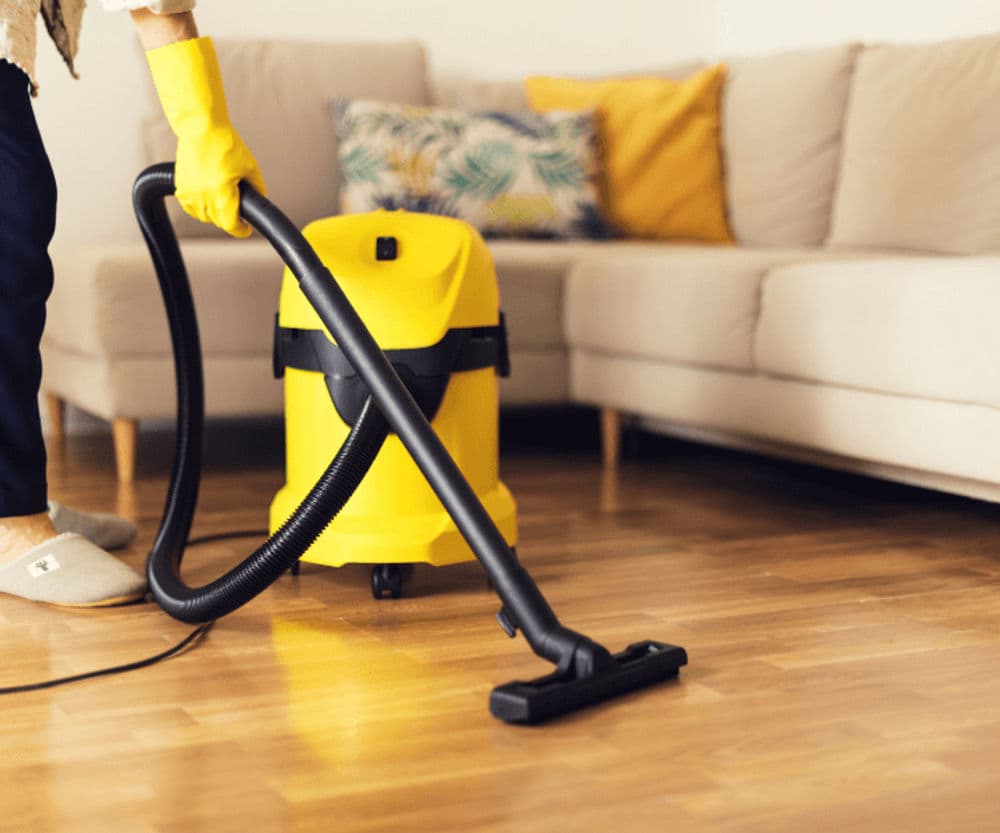
A successful arrangement depends on clarity. Customers should know which spaces receive attention, which tasks occur during a visit, and what access conditions apply.
Possible service elements include:
Dusting accessible furniture and surfaces
Vacuuming suitable carpets and rugs
Sweeping and mopping compatible hard floors
Cleaning agreed kitchen areas
Maintaining designated break rooms
Cleaning and sanitising specified restroom areas
Emptying bins and replacing liners
Wiping selected high-contact surfaces
Attending to reception and waiting spaces
Tidying agreed communal areas
This list shows potential activities rather than confirmed package inclusions. Discuss the final checklist, products, frequency, timing, access, and exclusions directly with Oasis Cleaning.
Turn your priorities into a clearly defined cleaning request.
A household can create recurring cleaning work regardless of its size. Work schedules, children, pets, visitors, cooking, and regular use of shared rooms can all increase the need for frequent care.
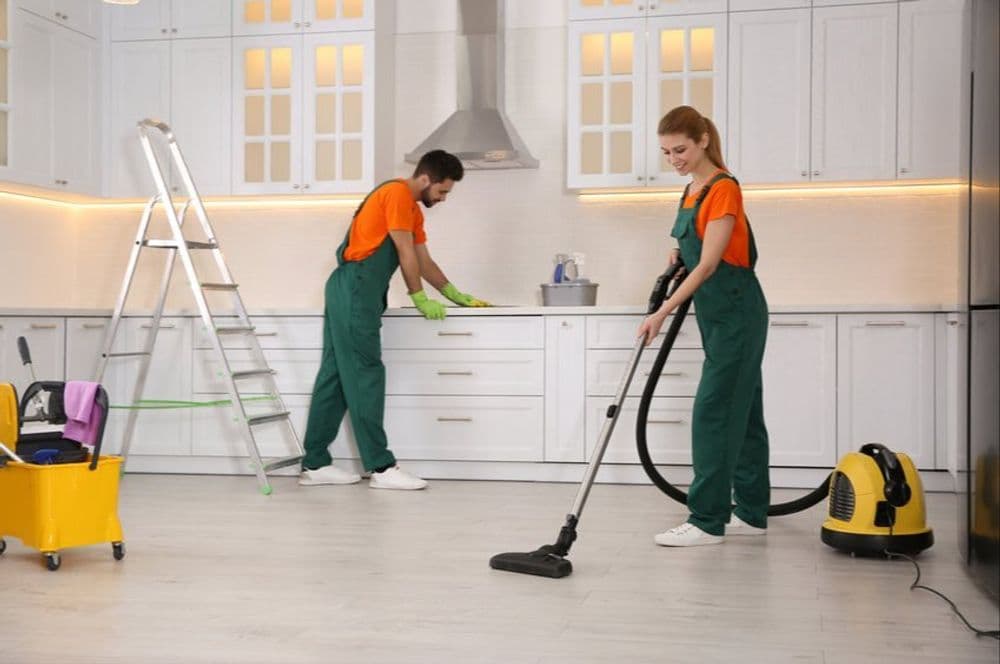
Home cleaning in Olmos Park can focus on the rooms used most often. Customers may prioritise kitchens, bathrooms, living spaces, entrances, and suitable flooring.
Smaller properties still require regular upkeep. A focused plan can address agreed living areas without including rooms or duties the resident does not need.
Property managers may need cleaning for lobbies, corridors, shared rooms, stairways, or other authorised common spaces. The final plan should reflect resident access and management responsibilities.
Before service begins, identify pets, entry procedures, delicate materials, preferred products, and restricted areas. These details help Oasis Cleaning discuss a suitable recurring residential cleaning plan.
Make household upkeep easier to fit around your routine.
A commercial property creates different cleaning demands across the working day. Customers arrive, employees use shared facilities, deliveries bring additional foot traffic, and waste accumulates in active rooms.
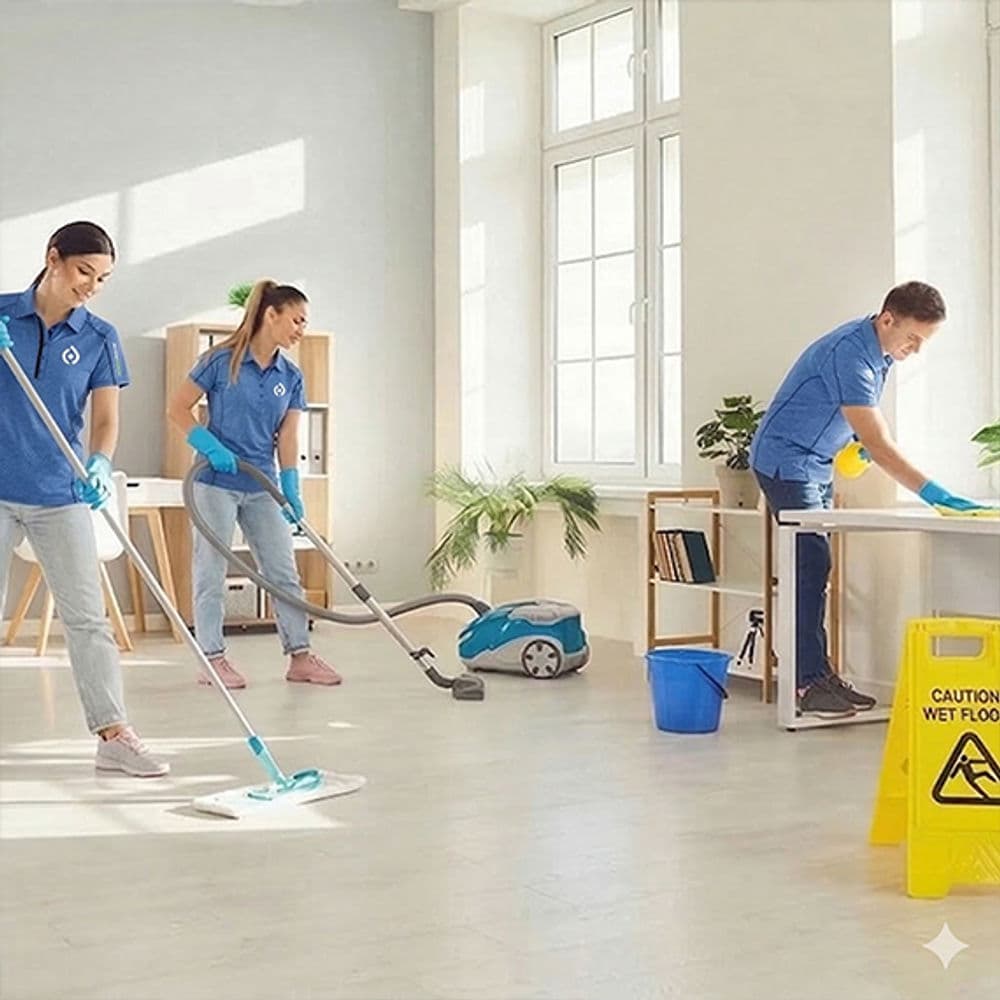
Office cleaning in Olmos Park may include agreed work areas, meeting rooms, reception spaces, floors, kitchens, restrooms, and waste bins. Service periods should align with building access and business operations.
Shops and service locations may need frequent attention in entrances, waiting spaces, counters, customer areas, floors, and restrooms. Visibility and foot traffic can help determine task frequency.
Food service, guest movement, and staff activity create recurring cleaning needs. Representatives should define authorised spaces, cleaning boundaries, operating hours, and access requirements.
These properties may have controlled areas or specific cleaning instructions. An authorised contact should confirm permitted rooms, products, timing, and property procedures with Oasis Cleaning.
Cleaning may focus on offices, entrances, corridors, staff rooms, and restrooms. Site managers should identify operational zones and access restrictions before service starts.
Coordinate cleaning around your workplace activity and access procedures.
Some areas influence the overall impression of a property more than others. Giving these touchpoints suitable attention can make routine cleaning more focused.
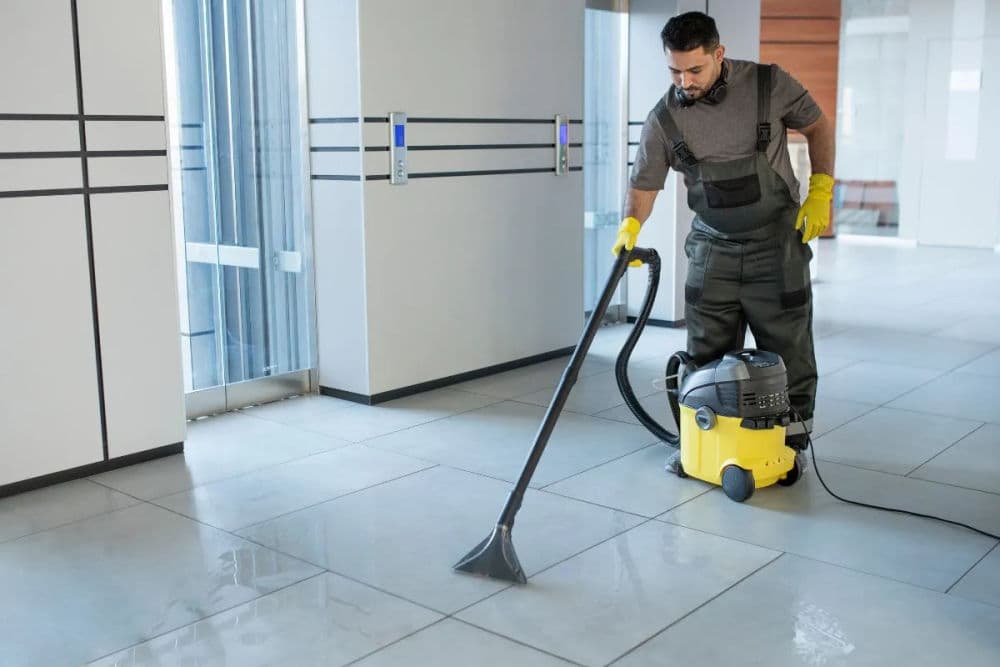
Entrances collect outdoor debris and create the first visual impression. Mats and compatible flooring may require vacuuming, sweeping, or mopping.
Living rooms, receptions, and common workspaces receive regular use. Their needs may include dusting, bin management, floor care, and surface wiping.
Crumbs, spills, waste, and marks can accumulate quickly where people prepare food or drinks.
Frequent use creates recurring cleaning demands across fixtures, surfaces, bins, and floors.
Corridors, stairs, lifts, and internal walkways connect the property. Their required frequency often depends on foot traffic.
Oasis Cleaning can discuss which touchpoints belong in your service plan.
Not every room needs the same attention. A practical custom cleaning schedule may separate tasks into different frequencies.
High-use restrooms, kitchens, entrances, and reception areas may require attention whenever cleaners attend the property.
Lower-use rooms or selected maintenance duties may fit a rotating schedule, subject to the available service arrangement.
Occupancy, business hours, room functions, and visitor levels can change. Customers can discuss revisions with Oasis Cleaning when the existing schedule no longer reflects property use.

Consistent service can support several practical objectives without requiring an excessive or unfocused task list.
Hygiene: Regular attention helps maintain frequently used kitchens, bathrooms, restrooms, and shared surfaces.
Comfort: Cleaner rooms create more pleasant surroundings for residents, employees, customers, and visitors.
Productivity: An assigned cleaning routine allows workplace teams to focus on their primary responsibilities.
Presentation: Maintained entrances, receptions, floors, and common areas support a cared-for appearance.
Material care: Timely removal of dust, grit, and spills helps control build-up on suitable surfaces.
Accurate information helps Oasis Cleaning assess your request and discuss an appropriate arrangement.
Provide:
The property type and approximate size
Typical occupancy or visitor activity
Priority rooms and requested tasks
Preferred days and service periods
Entry and security procedures
Product or surface considerations
Restricted spaces and excluded duties
A point of contact for service instructions
Clear information helps establish expectations before recurring work begins.
The arrangement can be organised through four practical decisions.
Identify every room or authorised area that requires cleaning.
Choose the duties and frequency that match the activity within each space.
Confirm keys, alarms, parking, pets, building procedures, and suitable arrival periods.
Check the task list, products, schedule, exclusions, and communication arrangements before service begins.
Discuss these decisions with Oasis Cleaning through its website.
Here's what people ask us
No. Customers can select priority rooms and assign different frequencies to other areas. The final arrangement should identify which spaces receive attention during each visit and which duties follow a rotating schedule.
Residents may request dusting, vacuuming, sweeping, mopping, kitchen cleaning, bathroom care, bin emptying, and tidying in agreed spaces. Oasis Cleaning should confirm each task, product requirement, and exclusion before service starts.
Apartment residents can discuss recurring cleaning based on property size, occupancy, building access, pets, room use, and surface materials. A focused checklist can cover priority spaces without including unnecessary rooms or tasks.
Managers should consider employee numbers, customer visits, operating hours, shared facilities, waste levels, and visible areas. Reception spaces, restrooms, kitchens, meeting rooms, and floors may require different frequencies depending on use.
No task should be assumed. Businesses should list the restrooms and duties they want included, then confirm cleaning products, service frequency, access conditions, and expectations directly with Oasis Cleaning before visits begin.
Customers should provide entry procedures, key arrangements, alarm information, authorised areas, and preferred service periods. Oasis Cleaning can then discuss whether the proposed timing and access conditions suit the requested cleaning arrangement.
Property managers should identify authorised common areas, tenant activity, building rules, access arrangements, task priorities, service periods, and maintenance responsibilities. These details help define an appropriate scope for shared residential or commercial spaces.
Frequency depends on occupancy, floor type, operating hours, weather-related debris, and visitor movement. Customers can compare how quickly each area becomes untidy and assign attention according to actual cleaning demand.
Yes. Customers can discuss changes when occupancy, room use, access procedures, business hours, or cleaning priorities shift. Revised duties and frequencies should be confirmed before Oasis Cleaning adds them to the regular arrangement.
Visit Oasis Cleaning and provide your property type, approximate size, priority rooms, requested tasks, preferred schedule, and access details. The company can assess the request and discuss an estimate based on the proposed work.