How Can Regular Cleaning Improve Commercial Property Appearance?
Learn how regular cleaning keeps commercial properties appealing and leaves positive first impressions.
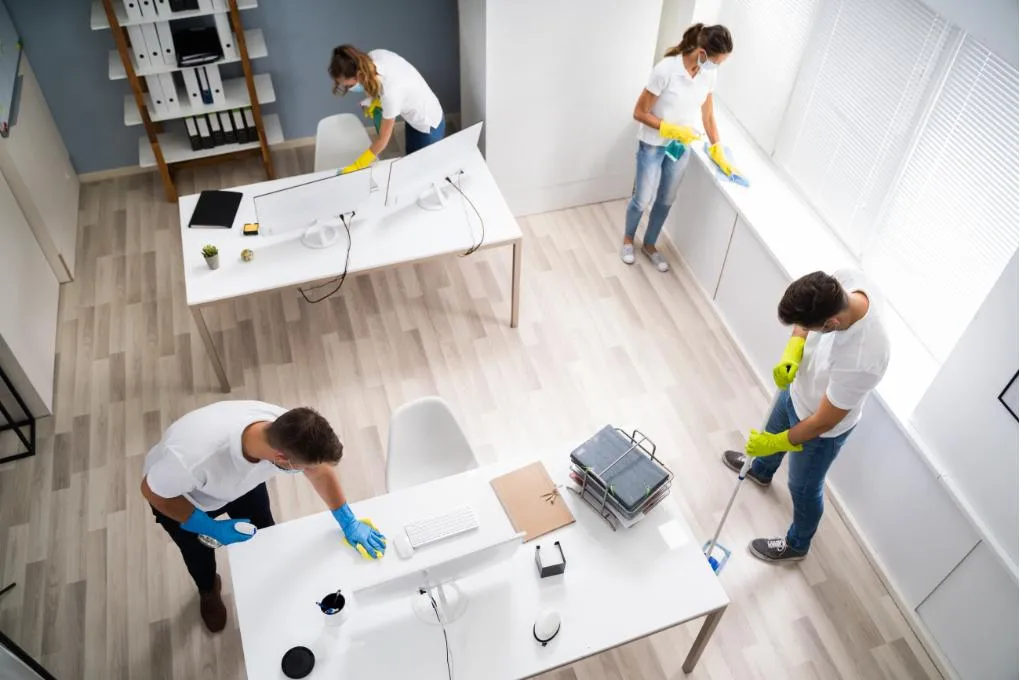
Commercial properties can lose their well-maintained appearance quickly because employees, visitors, customers, deliveries, and routine operations constantly introduce dirt, waste, marks, and spills. Frequent cleaning helps control these visible signs of use before they accumulate. As a result, entrances, floors, reception areas, washrooms, kitchens, meeting rooms, and shared spaces can remain more consistently presentable throughout the working week.
Why Does a Commercial Property's Appearance Change So Quickly?
Normal commercial activity creates visible cleaning demands throughout the day. Foot traffic brings in dust, soil, moisture, and outdoor debris, while employees and visitors generate waste, fingerprints, food-related mess, and surface marks.
Long operating hours can intensify these effects. Moreover, weather, deliveries, shared facilities, and high occupancy can make heavily used premises appear untidy much faster than lightly occupied properties.
How Does Frequent Cleaning Improve First Impressions?
Entrances, lobbies, reception areas, and waiting spaces usually receive the highest level of visitor attention. Visible dirt in these areas can become noticeable quickly because people repeatedly pass through the same routes.
Routine cleaning can improve presentation by:
Removing litter and tracked-in debris
Vacuuming mats and suitable carpets
Sweeping or mopping suitable hard floors
Wiping accessible reception surfaces
Emptying visible bins
Removing suitable glass marks
Tidying customer-facing shared areas
Frequent attention helps prevent small appearance issues from remaining visible for several working days.
How Does Routine Cleaning Keep Floors Looking Better?
Flooring often shows commercial use faster than many other surfaces because every employee, customer, visitor, and delivery route contributes additional foot traffic. Dirt, grit, moisture, spills, and debris can therefore alter the visible condition of floors quickly.
Carpeted Areas
Routine vacuuming removes loose dust, crumbs, fibres, and tracked-in debris from accessible carpeted areas. Entrance mats can also collect significant quantities of soil before it moves farther into the property.
Spot attention can address suitable fresh marks where appropriate. However, routine vacuuming does not replace periodic carpet extraction or specialist treatment when deeper cleaning becomes necessary.
Hard Floors
Hard flooring may show dust, footprints, spills, moisture, and loose debris prominently. Sweeping, suitable mopping, and prompt spill attention can help maintain a cleaner-looking surface.
Regular cleaning can remove surface dirt, but it cannot reverse scratches, worn coatings, chips, or permanent physical damage.
How Does Cleaning Improve Reception and Shared Areas?
Reception desks, meeting rooms, corridors, breakout areas, communal tables, and shared workspaces often collect dust, fingerprints, litter, waste, and surface marks throughout the day.
A daily cleaning service can help keep these visible areas more consistent by addressing accessible surfaces, floors, bins, suitable glass, and shared spaces before noticeable mess accumulates. The effect is especially relevant in properties where customers, tenants, applicants, contractors, or other visitors regularly use communal areas.
Why Do Washrooms Affect Overall Property Presentation?
Washrooms can strongly influence how well maintained a commercial property appears because fixtures, mirrors, floors, waste bins, and sinks remain highly visible to users.
Routine cleaning may help maintain:
Cleaner-looking fixtures
Clearer mirrors
Presentable sinks and taps
Tidier floors
Controlled waste
Replenished agreed consumables
Fewer visible spills or surface marks
Actual cleaning frequency should reflect washroom usage rather than applying the same schedule to every facility.
How Do Kitchens and Break Rooms Affect Workplace Appearance?
Shared food and drink areas can become visibly untidy quickly because employees generate crumbs, spills, packaging, waste, and surface marks during normal use.
Regular cleaning can address tables, accessible counters, sinks, floors, bins, suitable appliance exteriors, and visible spills. However, personal dishes, employee food, and appliance interiors should not automatically form part of the cleaning scope unless specifically agreed.
How Does Frequent Cleaning Control Visible Dust, Marks and Smudges?
Small surface issues can become highly noticeable in busy spaces. Fingerprints on suitable glass, dust on accessible ledges, marks on shared counters, and smudges on doors can make otherwise orderly areas appear less maintained.
Routine wiping helps control these visible signs of use on agreed surfaces such as reception counters, meeting tables, partitions, accessible desks, doors, and communal worktops. Cleaning frequency should reflect how often people use each surface.
Why Does Waste Management Matter for Property Appearance?
Overflowing bins, loose packaging, food waste, and untidy collection points can make a commercial property look neglected even when nearby floors and surfaces appear clean.
Routine waste management can include:
Emptying bins
Replacing liners where required
Removing loose visible waste
Keeping collection points orderly
Separating recycling according to the workplace system
Checking heavily used waste stations
High-use kitchens, communal areas, and reception spaces may need more frequent checks than low-use rooms.
Can Frequent Cleaning Prevent a Property from Looking Worn?
Frequent cleaning can reduce the visible build-up of dirt, stains, debris, dust, and marks, helping surfaces appear better maintained. However, cleanliness and physical condition are different.
Cleaning cannot reverse:
Scratched flooring
Damaged furniture
Worn carpets
Chipped surfaces
Faded finishes
Broken fixtures
Structural deterioration
Routine maintenance can improve visible cleanliness, while repairs, replacement, or specialist restoration may be necessary for physical damage.
Which Areas Have the Greatest Impact on Visible Presentation?
The most visually important areas usually include:
Entrances
Reception and lobby areas
Customer-facing spaces
Floors
Washrooms
Meeting rooms
Kitchens and break rooms
Corridors
Shared work areas
Waste points
However, priorities should follow actual property use. A busy customer waiting area may require more attention than a rarely occupied internal office.
Does Every Area Need Cleaning at the Same Frequency?
No. Commercial properties benefit from area-based cleaning schedules rather than identical treatment across every room.
Busy entrances, washrooms, kitchens, reception areas, and shared spaces may develop visible cleaning needs quickly. In contrast, storage rooms, archive areas, low-use offices, and lightly occupied secondary spaces may remain presentable for longer between visits.
How Can Businesses Maintain a Consistent Property Appearance?
A consistent appearance depends on matching cleaning frequency to actual conditions. Property managers should monitor which areas become visibly untidy first and adjust priorities accordingly.
Key factors include:
Foot traffic
Customer-facing activity
Employee occupancy
Operating hours
Floor condition
Washroom usage
Kitchen usage
Waste generation
Seasonal dirt and moisture
Speed of visible mess accumulation
Cleaning schedules work best when they respond to real property usage instead of relying solely on a fixed frequency.
Conclusion
Regular cleaning can improve commercial property appearance by controlling visible dirt, waste, floor debris, fingerprints, spills, dust, and everyday mess before they accumulate. Entrances, reception spaces, floors, washrooms, kitchens, meeting rooms, and shared areas often benefit most from frequent attention. Consistent presentation depends on matching cleaning frequency to occupancy, traffic, operating hours, and the actual condition of each area.