How Professional Cleaners Handle Airbnb Emergencies?
Learn expert strategies for handling Airbnb cleaning crises, from spills to odors. Professional insights to keep your property guest-ready.
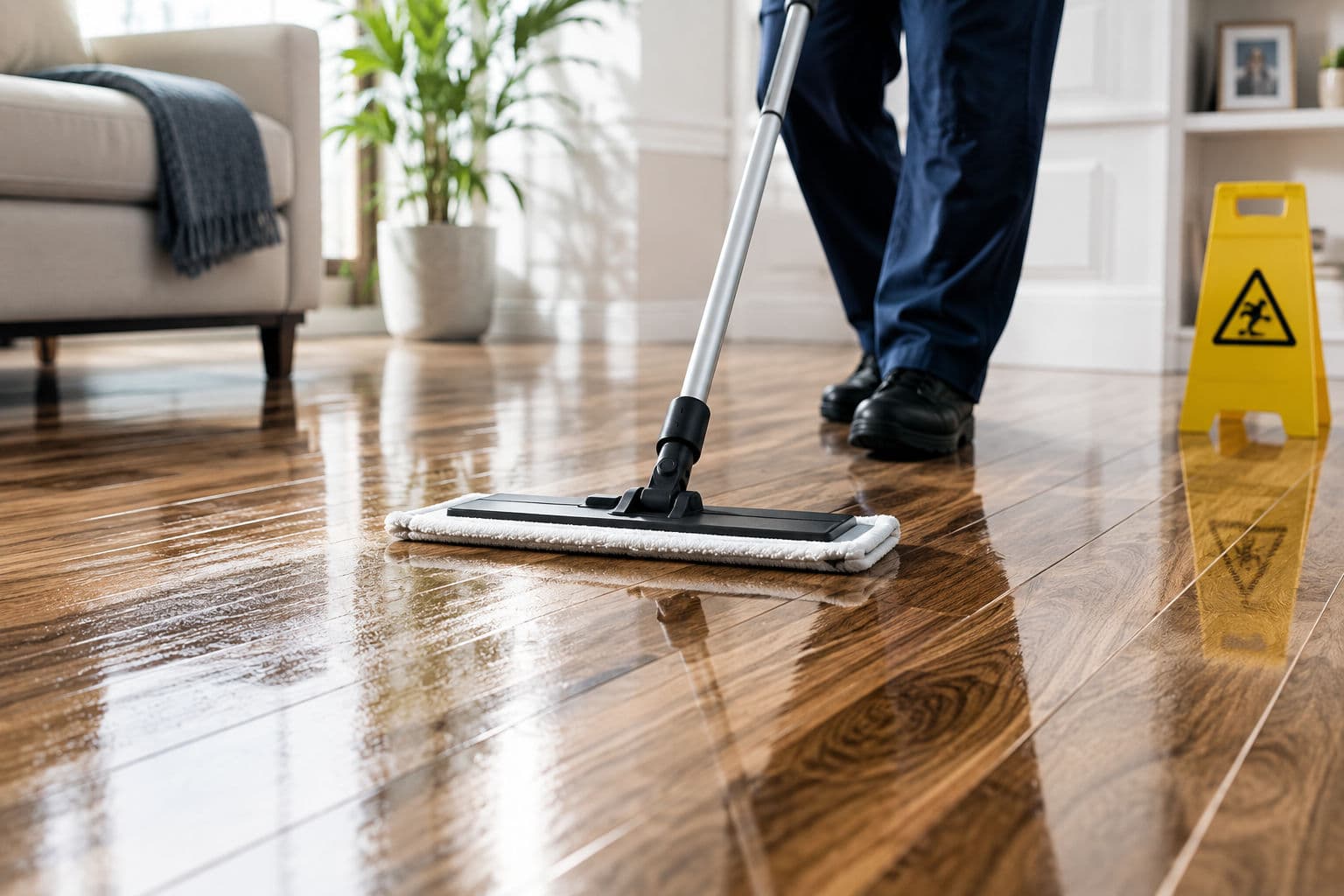
Airbnb emergencies can leave a rental with stains, spills, odours, dirt, hair, or other sudden cleaning problems shortly before another guest arrives. Pet-friendly properties may face additional messes involving hair, dander, tracked-in soil, or accidental stains on carpets and upholstery. Professional cleaners can respond by assessing the affected areas, selecting suitable cleaning methods, and concentrating effort where it matters most. Their work can include stain treatment, odour control, floor cleaning, carpet care, upholstery treatment, sanitation, and detailed surface cleaning. A structured response helps restore a clean, fresh, and presentable property while reducing pressure on hosts.
What Counts as an Airbnb Cleaning Emergency?
An Airbnb cleaning emergency usually involves an unexpected condition that requires prompt attention before the property can be prepared for another guest. The problem may involve a spill, stain, unpleasant odour, broken glass, or a substantial mess.
The cleaning response should focus on the condition of the property rather than simply making a surface look tidy. Moreover, cleaners need to consider the material involved because an unsuitable product or technique can create additional damage.
Common Cleaning Emergencies
Typical situations include:
● Beverage or food spills on carpets.
● Stains on rugs or upholstery.
● Mud tracked across floors.
● Excessive hair on fabric surfaces.
● Strong odours from spills or residue.
● Dust or debris spread across several rooms.
● Accidental messes requiring detailed sanitation.
● Heavy soil around entryways.
● Residue on kitchen or bathroom surfaces.
● Unexpected cleaning requirements before a scheduled arrival.
Each situation requires a practical response. Therefore, professional cleaners should first identify the affected material and the level of contamination or residue.
Why Fast Cleaning Response Matters
Short-term rentals operate around guest schedules. A sudden cleaning issue can become more difficult when the next check-in approaches quickly.
Preventing a Small Problem From Becoming Larger
A fresh spill may remain relatively localized, while an untreated stain can penetrate a porous surface. Similarly, a wet or dirty area can create additional cleaning work when people continue moving through the property.
Prompt professional attention can limit the spread of dirt and residue. However, cleaning results depend on the substance, surface, age of the problem, and previous treatment.
Protecting the Property's Presentation
Guests expect rental spaces to appear clean and ready for occupancy. Consequently, visible stains, lingering smells, hair, or dirty floors can create an immediate impression of inadequate maintenance.
Professional cleaners can prioritize highly visible and frequently used areas first, then address secondary cleaning needs according to the available time and service scope.
How Professionals Assess an Airbnb Cleaning Emergency
A professional response normally begins with an assessment rather than immediate application of a cleaning product. Cleaners need to determine what happened, where the problem exists, and which surfaces require attention.
Identifying the Surface
A stain on sealed tile requires a different approach from a stain on carpet. Likewise, upholstered furniture may require controlled moisture and fabric-specific treatment.
Professional cleaners can inspect:
● Carpet construction.
● Rug material.
● Upholstery fabric.
● Flooring finish.
● Countertop material.
● Bathroom surfaces.
● Painted or finished surfaces.
This assessment helps reduce the risk of using an unsuitable process.
Determining the Cleaning Priority
Not every issue deserves identical attention during an emergency. Cleaners may prioritize areas that affect hygiene, appearance, odour, guest access, or the immediate usability of the property.
Therefore, a structured assessment can help direct available time and equipment toward the most important cleaning requirements.
Handling Sudden Stains and Spills
Stains often create urgent cleaning needs because they can become harder to address as residue settles into a material.
Carpet Stain Treatment
Professional cleaners can assess the substance and carpet construction before selecting a suitable treatment. Depending on the situation, they may use spot treatment, controlled agitation, extraction, or another appropriate technique.
Results vary. A fresh beverage spill may respond differently from an older stain that has already received several cleaning products.
Upholstery Stains
Upholstery requires similar care but often involves more delicate materials. Excessive moisture can create problems for some fabrics, while aggressive agitation can affect texture or appearance.
Professional cleaners can choose a process according to the material, stain type, and condition of the furniture.
Managing Emergency Odour Problems
An unpleasant smell can become a significant concern when guests are scheduled to arrive. However, covering an odour with fragrance does not necessarily address the material causing it.
Finding the Source
Professional cleaning focuses on locating the affected surface and removing suitable residue. The source may involve carpet, upholstery, flooring, waste areas, food residue, or another contaminated surface.
Cleaning methods can include extraction, targeted treatment, controlled moisture, or surface-specific processes.
Why Results Can Vary
Odour removal depends on the source, material, residue, moisture exposure, age, and previous treatment. Consequently, professional cleaners should avoid promising identical results in every emergency.
The objective remains practical: remove or reduce the material contributing to the odour rather than simply masking it.
Removing Pet Hair During Emergency Turnovers
Pet-friendly Airbnb properties can face sudden cleaning demands when hair remains across floors, carpets, sofas, rugs, or chairs after a guest stay.
Why Pet Hair Can Be Difficult to Remove
Hair can cling to fabric through static and friction. Some strands can also become embedded between carpet fibres or inside upholstery seams.
Professional cleaners can use commercial vacuum systems, specialized attachments, brushes, or extraction methods when appropriate.
Priority Areas for Hair Removal
During a time-sensitive cleaning response, cleaners can concentrate on:
● Sofas and chairs.
● Carpeted walking areas.
● Rug surfaces.
● Cushion seams.
● Floor edges.
● Baseboards.
● Entryways.
● Areas beneath accessible furniture.
This focused approach can improve the property's visible cleanliness within the available service window.
Handling Dust, Dander, and Dirt
Sudden guest departures can leave dust, dander, mud, and outdoor soil across multiple surfaces. Pet-friendly properties may experience more noticeable accumulation in high-use areas.
High-Traffic Zones
Entryways, hallways, living rooms, kitchens, and frequently used furniture often require priority attention.
Professional cleaners can vacuum, sweep, mop, dust, and wipe suitable surfaces according to the property's materials.
Cleaning Beyond Visible Surfaces
Addressing Bathroom and Kitchen Emergencies
Bathrooms and kitchens can require immediate attention because guests use these spaces frequently. Spills, food residue, grease, water marks, and other messes can quickly affect their appearance.
Bathroom Cleaning Priorities
Professional cleaners may prioritize:
● Toilets and surrounding surfaces.
● Sinks and counters.
● Shower and bath surfaces.
● Floors.
● Mirrors.
● Fixtures.
● Accessible corners.
● Door handles and high-contact surfaces.
The cleaning process should match each material and avoid unnecessary damage.
Kitchen Cleaning Priorities
Kitchen emergencies may involve food spills, grease, dirty sinks, residue on counters, or heavily soiled floors.
Cleaners can focus first on surfaces that affect food preparation and guest use. They can then address cabinet fronts, appliance exteriors, floor edges, and other areas according to the service scope.
Handling Floor and Carpet Emergencies
Floor problems can become noticeable immediately because guests see and walk across these surfaces. Mud, spills, hair, and dirt may spread quickly.
Hard Flooring
Professionals can remove loose debris before applying a suitable cleaning method. The process depends on whether the floor contains tile, stone, sealed wood, laminate, vinyl, or another material.
Carpets and Rugs
Carpets can require more intensive treatment because fibres can hold soil, hair, and liquid residue. Professional extraction equipment may provide deeper cleaning when the material permits it.
Rugs should receive individual assessment because fibre, backing, construction, and colour stability vary.
Cleaning Furniture After Unexpected Messes
Furniture can require urgent attention when guests leave food residue, spills, dirt, or excessive hair on upholstered surfaces.
Detailed Furniture Cleaning
Professional cleaners can address cushions, seams, armrests, chair backs, and accessible gaps. They can use vacuuming, controlled moisture, extraction, or another suitable method based on the fabric.
Furniture should not receive an aggressive process simply because an emergency exists. Material protection remains important.
Sanitation and General Household Cleanliness
Emergency cleaning often requires more than removing visible dirt. Bathrooms, kitchens, floors, and frequently touched surfaces may need appropriate cleaning and sanitation according to the property's requirements.
Cleaning Versus Sanitizing
Cleaning removes dirt and residue from a surface. Sanitizing involves an appropriate process intended to reduce certain microorganisms on suitable surfaces.
These processes serve different purposes. Therefore, cleaners should use products and methods appropriate for the surface and intended application rather than applying stronger chemicals indiscriminately.
When Deep Cleaning Becomes Necessary
An emergency may reveal a larger maintenance problem. For example, a sudden odour may draw attention to accumulated residue in carpets or upholstery.
Signs That Emergency Cleaning Is Not Enough
Hosts may need a deeper service when:
Stains remain after appropriate spot treatment.
Odours continue after surface cleaning.
Hair remains embedded in fabrics.
Carpets appear heavily soiled.
Upholstery shows widespread buildup.
Floor edges contain accumulated dirt.
Baseboards require detailed cleaning.
Several rooms need intensive attention.
Routine turnover cleaning repeatedly leaves the same problems.
Specialized equipment is necessary.
In these situations, a dedicated deep-cleaning appointment can address broader maintenance needs.
How Professional Equipment Supports Emergency Cleaning
Professional cleaners may carry commercial vacuums, extraction machines, floor equipment, specialized brushes, and material-specific tools.
Faster Removal of Accumulated Material
Commercial equipment can improve the removal of loose and embedded debris from suitable surfaces. Extraction systems can also remove suspended soil from materials that tolerate the process.
Nevertheless, equipment does not replace proper technique. Moisture control, product selection, surface assessment, and correct operation remain essential.
Why Household Equipment May Not Be Enough
Hosts may not have access to commercial extraction systems or specialized attachments. Additionally, emergency cleaning can demand more physical effort than ordinary household maintenance.
Professional service can therefore reduce the time and effort needed for intensive cleaning.
How Professional Cleaners Prioritize an Emergency
A practical emergency response requires organization. Cleaners cannot always perform every possible task when a guest arrival creates a strict deadline.
A Useful Cleaning Priority
Professionals may work through the property in this order:
Address safety-related debris that cleaning staff can safely handle.
Identify visible stains, spills, and odour sources.
Clean bathrooms and kitchens.
Treat carpets, rugs, and upholstery requiring immediate attention.
Clean floors and high-traffic areas.
Remove visible hair and dust.
Check corners, edges, and overlooked surfaces.
Complete final visual inspection.
When Airbnb Hosts Should Call Professional Cleaners
Professional assistance can become necessary when a cleaning problem exceeds the host's available time, equipment, or physical capacity.
Situations That May Require Professional Help
Consider professional service when:
● A guest arrival is approaching quickly.
● A stain requires specialized treatment.
● Carpet extraction is necessary.
● Upholstery has significant buildup.
● Persistent odours remain.
● Hair is embedded across multiple surfaces.
● Heavy dirt covers floors.
● Several rooms require simultaneous attention.
● The host lacks suitable equipment.
● Routine cleaning cannot restore the expected standard.
For hosts searching for professional airbnb cleaning services in San Antonio, the provider's response capability, service scope, equipment, scheduling, and experience with short-term rental cleaning should all receive careful consideration.
Maintaining Cleanliness After an Emergency
Once professionals address an urgent problem, routine cleaning should resume immediately.
Practical Maintenance Steps
Hosts can:
● Vacuum high-traffic areas regularly.
● Remove visible hair from upholstery.
● Wipe suitable hard surfaces.
● Mop floors according to material requirements.
● Address spills promptly.
● Check carpets for new stains.
● Inspect bathrooms and kitchens after each stay.
● Monitor recurring odours.
● Clean accessible corners.
● Schedule periodic deep cleaning.
These steps can reduce the chance that another emergency develops from accumulated residue.
Frequently Asked Questions
What qualifies as an Airbnb cleaning emergency?
A cleaning emergency involves an unexpected condition requiring prompt attention before another guest arrives. Common examples include major spills, visible stains, persistent odours, excessive hair, heavy mud, widespread dirt, or sudden messes. The response depends on the surfaces affected, severity, and available turnaround time.
Can professional cleaners handle last-minute Airbnb stains?
Professional cleaners can often address last-minute stains when scheduling permits. They assess the substance, surface, age, and previous treatment before selecting a suitable process. Results vary when stains have penetrated deeply or received unsuitable products. Prompt treatment can improve the opportunity for successful removal.
Can emergency cleaners remove pet hair from carpets?
Professional cleaners can remove loose and embedded hair from suitable carpets using commercial vacuums, specialized attachments, brushes, or extraction methods. Results depend on carpet construction, fibre type, condition, and hair accumulation. Emergency cleaning can prioritize visible and high-traffic areas when arrival deadlines limit available time.
Can professional cleaners handle sudden odours?
Professional cleaners can investigate and treat surfaces contributing to unwanted odours. Depending on the source, they may use extraction, targeted treatment, controlled moisture, or another suitable process. Results vary according to material, residue, source, age, and previous cleaning, so complete removal cannot be guaranteed.
Should an Airbnb host choose deep cleaning during an emergency?
Deep cleaning may become appropriate when an emergency reveals widespread buildup rather than an isolated problem. Persistent stains, embedded hair, heavy carpet soil, extensive upholstery residue, or recurring odours can indicate broader cleaning needs. A separate deep-cleaning appointment may provide more time for extensive work.
What Airbnb areas need priority during an urgent cleaning?
Bathrooms, kitchens, visible stains, odour sources, high-traffic floors, carpets, upholstery, entryways, and guest-accessible surfaces usually deserve priority. Cleaners can then address corners, baseboards, furniture edges, and other overlooked areas when time allows. The sequence depends on property condition and the next arrival deadline.
Is emergency Airbnb cleaning more expensive than routine cleaning?
Emergency cleaning may cost more when it requires short-notice scheduling, additional labour, specialized equipment, or extensive stain and odour treatment. Pricing varies by provider and service scope. Hosts should request clear pricing before work begins and confirm whether urgent scheduling or specialized treatments create additional charges.
How can hosts prepare for future cleaning emergencies?
Hosts can maintain suitable cleaning supplies, inspect the property after each turnover, address spills promptly, and schedule periodic deep cleaning. They should also keep contact information for a reliable professional cleaning provider. Clear property instructions and accurate surface information can help cleaners respond efficiently.
Can professional cleaners sanitize an Airbnb after an unexpected mess?
Professional cleaners can clean and sanitize suitable surfaces when the service includes sanitation and the material permits the process. Cleaning removes dirt and residue, while sanitation uses an appropriate method to reduce certain microorganisms. The correct product and procedure depend on the surface and intended application.
What should hosts tell emergency cleaners before they arrive?
Hosts should provide the problem location, affected material, known substance, previous cleaning attempts, next guest arrival time, and priority areas. Photos may help when the provider accepts them. Accurate information allows cleaners to prepare suitable equipment and select an appropriate approach before reaching the property.
Conclusion
Professional cleaners can provide valuable support when an Airbnb property develops an unexpected cleaning problem shortly before another guest arrives. Their response can address stains, spills, odours, pet hair, dust, dirt, carpets, upholstery, floors, kitchens, bathrooms, and other affected surfaces. Professional assessment and suitable equipment can improve the efficiency of urgent cleaning while reducing the physical workload for hosts. Emergency service should complement routine turnover cleaning and periodic deep cleaning rather than replace either one. With a structured approach, hosts can respond to sudden messes while maintaining a cleaner, fresher, and more presentable rental.