How Professional Cleaning Helps Protect Expensive Flooring
Learn how professional cleaning maintains the beauty and longevity of expensive flooring by removing buildup and using appropriate methods.
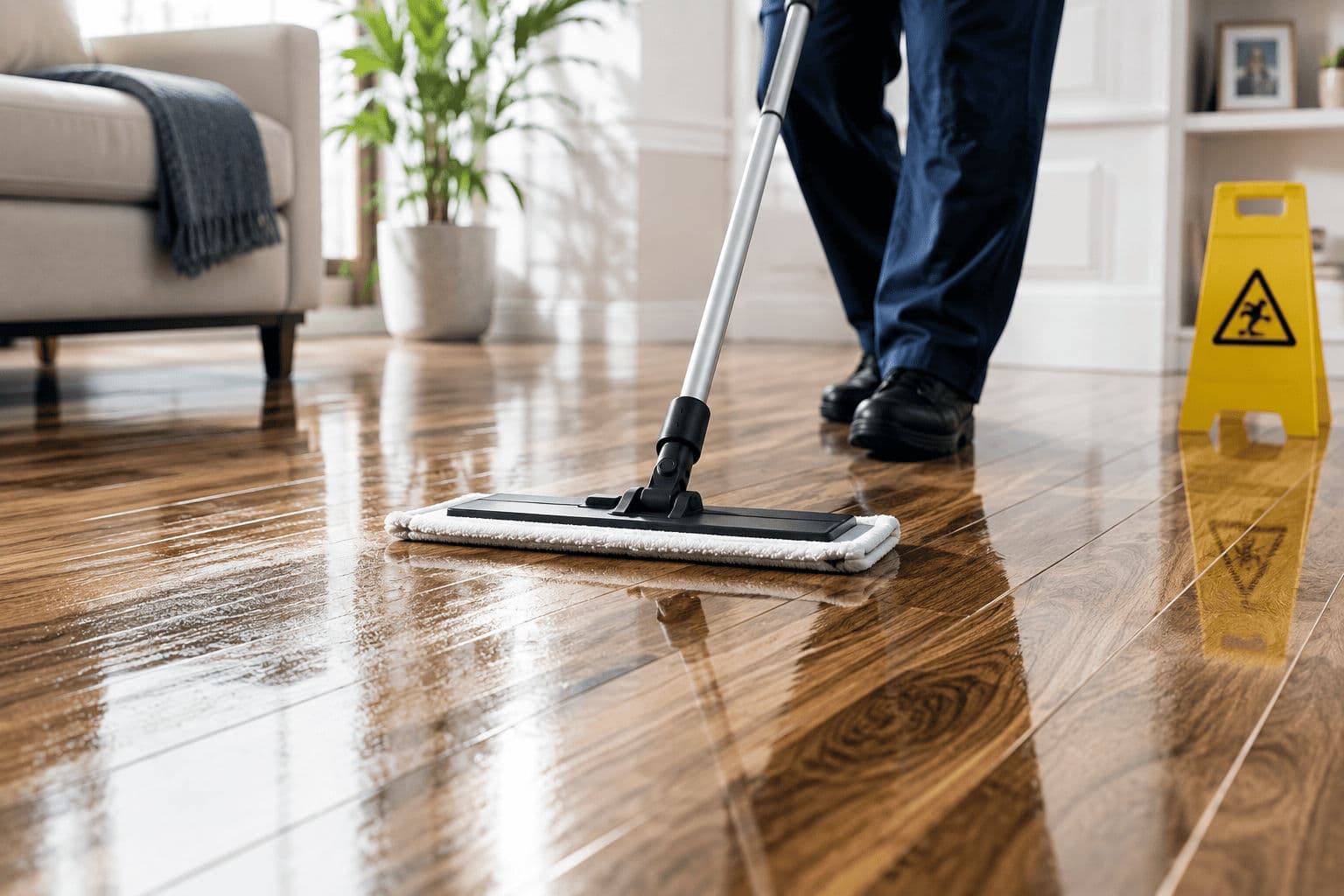
Expensive flooring can add value, character, and visual appeal to a home, but maintaining its condition requires consistent cleaning. Homes with pets often face additional challenges, including hair, dander, tracked-in dirt, mud, stains, accidental messes, and lingering odours. If these issues remain untreated, debris can accumulate around floor edges, beneath furniture, between joints, and across high-traffic areas. Professional cleaning provides a structured way to remove buildup while using methods appropriate for different flooring materials. Regular attention can therefore help preserve appearance, cleanliness, hygiene, and the overall condition of residential floors.
Why Expensive Flooring Needs Careful Cleaning
Premium flooring often represents a significant household investment. Hardwood, natural stone, luxury vinyl, premium tile, engineered wood, and other high-quality materials can require specific cleaning methods to maintain their finish and appearance. Using unsuitable products, excessive moisture, abrasive tools, or overly aggressive techniques may create avoidable surface problems.
Homes with pets can face additional cleaning demands because hair and outdoor dirt can spread across floors throughout the day. Moreover, fine particles can settle into joints, texture, grout lines, and edges where ordinary sweeping may not remove them completely.
Everyday Dirt Can Become a Long-Term Problem
Loose dirt may seem harmless when it first reaches a floor. However, repeated foot traffic can move particles across the surface and contribute to gradual abrasion. Fine grit can also become concentrated in entrances, hallways, and other frequently used areas.
Routine vacuuming and suitable floor cleaning can reduce this buildup. Professional cleaning adds another level of attention by targeting accumulated debris and areas that household routines may overlook.
Different Floors Require Different Methods
No single cleaning process suits every flooring material. Sealed wood, natural stone, ceramic tile, luxury vinyl, laminate, and engineered flooring can respond differently to moisture, heat, chemicals, and mechanical agitation.
Therefore, professional cleaners should identify the flooring type before selecting products or equipment. This material-specific approach helps reduce unnecessary exposure to unsuitable cleaning methods while supporting consistent household cleanliness.
How Pet Hair Affects Flooring
Pet hair can spread rapidly across hard floors, textured surfaces, rugs, and floor coverings. Hair can collect beneath furniture, around baseboards, inside corners, and along floor transitions. Although loose strands are usually easy to see, smaller accumulations can remain unnoticed until they become substantial.
Removing Hair From Hard Floors
Vacuuming can collect loose hair effectively when performed regularly. Yet hair may gather around furniture legs, floor edges, and narrow gaps that standard equipment cannot easily reach.
Professional cleaning can combine detailed vacuuming with appropriate attachments and surface cleaning. This approach helps remove visible debris while addressing less accessible areas.
Hair and Debris Around Floor Edges
Baseboards and floor transitions frequently collect hair and dust. These areas can become particularly noticeable on dark or polished flooring.
A detailed cleaning routine should therefore include edges, corners, and gaps rather than focusing exclusively on open floor space. Professional cleaners can incorporate these locations into a deeper residential cleaning service.
Dust and Dander Accumulation on Floors
Dust and fine debris can settle across flooring even when a room appears generally clean. In pet-friendly homes, additional material can collect around rugs, furniture, sleeping areas, and frequently used sections of the property.
Why Regular Removal Matters
Fine particles can accumulate along floor joints, textured surfaces, grout, and corners. When homeowners leave these areas unattended for extended periods, ordinary cleaning may require more effort.
Regular vacuuming removes loose particles before they become heavily concentrated. Additionally, professional deep cleaning can target accumulated dust in difficult locations and help restore a more consistent level of cleanliness.
The appropriate process depends on the floor material. A method suitable for sealed tile may not suit unfinished wood or another moisture-sensitive surface.
Protecting Flooring From Tracked-In Dirt
Outdoor dirt can enter through entrances and spread into adjoining rooms. Mud presents a particular challenge because moisture and soil can leave visible marks on flooring.
High-Traffic Areas Need More Attention
Entryways, hallways, stairs, and pathways between rooms typically receive more traffic than less frequently used spaces. Consequently, these locations may show dirt accumulation sooner.
Professional cleaning can focus on high-traffic areas while addressing the edges and corners surrounding them. A structured cleaning schedule can also prevent heavy buildup from becoming a larger restoration problem.
Common Floor Problem Areas
Homeowners should pay particular attention to:
● Entryways and thresholds
● Hallways and connecting spaces
● Stair edges
● Floor transitions
● Corners
● Baseboards
● Areas beneath accessible furniture
● Grout lines
● Spaces around floor fixtures
● High-traffic sections
These locations can collect dirt even when the main floor surface receives regular attention.
Stain Removal Without Damaging Flooring
Stains can develop from accidental spills, tracked-in mud, food residue, and other household incidents. The longer a substance remains on a surface, the more difficult removal may become, depending on the flooring material.
Why Professional Stain Treatment Helps
Different stains require different approaches. A cleaning solution that works on sealed tile may be inappropriate for natural stone or finished wood. Similarly, excessive scrubbing can affect delicate surfaces.
Professional cleaners can assess the flooring and select a suitable treatment. They can also control the amount of moisture, agitation, and cleaning product used.
Results vary according to the stain, surface condition, finish, age, and previous treatments. Therefore, responsible cleaning professionals should avoid guaranteeing complete removal of every mark.
Prompt Attention Reduces Cleaning Difficulty
Homeowners should address spills promptly using methods appropriate for the specific flooring. However, when a stain persists or covers a larger area, professional attention may provide a safer and more structured solution.
Controlling Odours Through Floor Cleaning
Odours can linger when residue reaches porous materials, grout, rugs, or areas surrounding flooring. Simply applying fragrance does not necessarily remove the material responsible for an unwanted smell.
Cleaning the Source Instead of Masking It
Professional floor cleaning focuses on removing dirt and residue from the affected surface. Depending on the material, cleaners may use controlled washing, extraction, targeted treatment, or another suitable process.
The result depends on the flooring, source of the odour, residue, moisture exposure, and previous cleaning. Nevertheless, proper cleaning can create a fresher and more presentable residential environment than fragrance alone.
Carpet and Rug Protection for Expensive Floors
Rugs and carpets can protect flooring from everyday traffic, but they also collect hair, dust, dirt, and residues. If these materials remain heavily soiled, debris can transfer onto surrounding flooring.
Why Rugs Need Professional Attention
Rugs can have different fibres, backing materials, dyes, and construction methods. Consequently, cleaning requires an approach suited to the specific item.
Professional rug cleaning can remove accumulated debris when the material permits the selected process. Regular vacuuming between professional visits can then help control surface buildup.
Cleaning Around Floor Coverings
The floor beneath and around rugs also requires attention. Dust can collect beneath edges, while hair and dirt can accumulate where rugs meet the surrounding floor.
Moving accessible floor coverings during scheduled cleaning allows these areas to receive attention. This practice can help prevent concentrated buildup from remaining unnoticed.
Upholstery and Furniture Cleaning Supports Floor Cleanliness
Furniture can indirectly affect flooring cleanliness because hair and dust collect around sofas, chairs, tables, and other pieces. Debris can settle beneath furniture and remain there for long periods.
Cleaning Beneath and Around Furniture
Professional cleaners can address accessible areas beneath furniture as part of a deeper cleaning service. Moving heavy items may require homeowner assistance or may not be appropriate, depending on the furniture and flooring.
Furniture legs can also create small areas where dirt accumulates. Detailed cleaning around these points helps maintain a more consistent appearance across the room.
Baseboards, Corners, and Overlooked Areas
Floor protection involves more than cleaning the central walking surface. Baseboards, corners, thresholds, floor edges, and gaps can hold substantial amounts of dust and hair.
Why Overlooked Areas Matter
When these locations remain dirty, debris can gradually spread back onto cleaned flooring. Furthermore, visible buildup along edges can make an otherwise clean room appear neglected.
A professional deep-cleaning service can incorporate these areas into its scope. Detailed edge cleaning can complement regular vacuuming and mopping while supporting better overall household maintenance.
Professional Equipment Can Improve Cleaning Results
Household cleaning equipment handles many routine tasks, but some floor conditions require specialised tools. Professional cleaning services may use commercial vacuums, extraction equipment, floor machines, specialised attachments, and material-specific products.
Equipment Must Match the Flooring
More powerful equipment does not automatically provide better results. Incorrect pressure, excessive moisture, harsh chemicals, or unsuitable agitation can affect certain flooring materials.
Professional cleaners should therefore select equipment according to the floor's construction and finish. This approach helps balance effective soil removal with appropriate surface care.
Cleaning Hard-to-Reach Areas
Professional attachments can help reach narrow gaps, edges, corners, and areas beneath accessible furniture. These locations often receive less attention during routine cleaning because they require additional time and effort.
Consequently, specialised equipment can make detailed cleaning more practical without requiring homeowners to spend hours reaching difficult sections manually.
Deep Cleaning Versus Routine Floor Maintenance
Routine cleaning controls everyday dirt, dust, hair, and surface debris. Deep cleaning addresses accumulated grime and neglected areas that regular maintenance may not adequately cover.
What Routine Cleaning Usually Covers
A regular floor-care routine may include:
● Vacuuming or sweeping
● Suitable mopping
● Spot cleaning
● Removing visible hair
● Cleaning entryways
● Wiping floor edges
● Addressing fresh spills
These tasks help prevent everyday buildup.
What Deep Cleaning Adds
Deep cleaning may include:
● Detailed edge cleaning
● Treatment of accumulated grime
● Professional stain removal
● Cleaning beneath accessible furniture
● Detailed grout cleaning
● Carpet or rug treatment
● Specialised floor cleaning
● Removal of persistent residue
Both approaches have different purposes. Regular maintenance keeps surfaces manageable, while professional deep cleaning can provide more intensive attention when buildup becomes difficult to control.
How Professional Cleaning Helps Reduce Physical Effort
Cleaning expensive flooring can require considerable time. Homeowners may need to move furniture, vacuum repeatedly, scrub edges, treat stains, mop large areas, and clean corners.
Saving Time Through Professional Assistance
Professional cleaners can handle demanding cleaning tasks using established procedures and suitable equipment. This arrangement can reduce the physical workload associated with intensive residential cleaning.
For busy households, outsourcing deeper cleaning can create more time for work, household responsibilities, or other priorities. Residents looking for professional cleaning services in San Antonio can benefit from selecting a service that matches their flooring materials and specific cleaning requirements.
When Professional Floor Cleaning Becomes Necessary
Professional cleaning becomes useful when ordinary maintenance no longer produces satisfactory results. Persistent stains, visible buildup, recurring odours, or difficult-to-clean edges can indicate that deeper attention is appropriate.
Signs That Flooring Needs Professional Attention
Homeowners may consider professional cleaning when:
Dirt remains visible after routine cleaning.
Floor edges show heavy buildup.
Persistent odours remain after surface cleaning.
Stains resist suitable household treatment.
Hair repeatedly accumulates in difficult areas.
Grout lines appear heavily soiled.
Flooring requires specialised equipment.
Cleaning demands consume excessive household time.
The property needs a detailed cleaning reset.
Routine maintenance no longer restores the desired appearance.
Professional cleaning cannot reverse every form of permanent damage, but it can address removable dirt and residue more systematically.
How Often Should Expensive Flooring Receive Professional Cleaning?
There is no universal schedule for every home. Cleaning frequency depends on flooring type, household traffic, property size, visible buildup, environmental conditions, and routine maintenance.
Factors That Influence Cleaning Frequency
Pet-friendly homes may require more frequent attention when hair and dirt accumulate quickly. Similarly, entrances and hallways can require deeper cleaning before less-used rooms.
A practical schedule should consider:
● Type and finish of flooring
● Amount of household traffic
● Frequency of routine cleaning
● Presence of carpets and rugs
● Frequency of stains or spills
● Visible dust and hair accumulation
● Condition of grout and floor edges
● Time available for household maintenance
Regular professional cleaning should complement rather than replace everyday floor care.
Maintaining Expensive Flooring Between Professional Visits
Consistent maintenance can reduce the amount of dirt that reaches deeper areas. Small cleaning tasks performed at suitable intervals can make professional visits more effective.
Practical Floor Maintenance Checklist
Homeowners can:
● Vacuum high-traffic areas regularly.
● Remove visible hair before it accumulates.
● Clean spills promptly using suitable methods.
● Keep entryways free from accumulated dirt.
● Check floor edges and corners regularly.
● Clean beneath accessible furniture.
● Address stains before they become established.
● Use cleaning products appropriate for the flooring.
● Avoid excessive water on moisture-sensitive materials.
● Schedule professional cleaning when routine work becomes insufficient.
These measures support a cleaner home while reducing the likelihood of substantial buildup.
Choosing a Professional Cleaning Service
Selecting a cleaning service requires attention to the property's specific flooring rather than simply choosing a general cleaning package. Homeowners should confirm that cleaners can work with the materials installed throughout the property.
What Homeowners Should Check
Before hiring a cleaning service, consider:
● Experience with the specific flooring type.
● Cleaning methods used for finished surfaces.
● Equipment available for deep cleaning.
● Approach to stain removal.
● Ability to clean floor edges and corners.
● Methods for handling moisture-sensitive materials.
● Services available for rugs and carpets.
● Preparation requirements.
● Pricing for additional tasks.
● Expectations regarding cleaning results.
Clear communication can prevent unsuitable cleaning methods and help homeowners choose an appropriate level of service.
A Floor-Focused Deep Cleaning Checklist
When planning a deeper residential cleaning session, homeowners can prioritise areas where dirt accumulates most quickly.
Areas Worth Including
A detailed checklist can cover:
● Main flooring surfaces
● Entryways
● Hallways
● Staircases
● Floor transitions
● Baseboards
● Corners
● Grout lines
● Areas beneath accessible furniture
● Rug edges
● Carpeted sections
● Upholstered furniture near flooring
● High-traffic zones
This approach creates a more consistent cleaning result because it addresses the surrounding areas that contribute to visible floor buildup.
Why Consistent Cleaning Supports Flooring Longevity
Professional cleaning cannot guarantee a specific lifespan for any flooring material. However, regular removal of dirt, residue, and debris can support better household maintenance.
Preventing Avoidable Buildup
Accumulated grit can create additional wear in frequently trafficked areas. Moisture, stains, and residue can also create cleaning challenges when they remain untreated.
Consequently, a combination of regular household care and periodic professional cleaning can help homeowners manage conditions that may otherwise become harder to address.
The key lies in consistency. Waiting until flooring looks heavily soiled often creates a larger cleaning task than addressing manageable buildup at regular intervals.
Frequently Asked Questions
Can professional cleaning damage expensive flooring?
Professional cleaning should use methods compatible with the flooring material and finish. Damage can occur when cleaners apply unsuitable chemicals, excessive moisture, abrasive equipment, or improper techniques. Homeowners should therefore confirm that the service understands the specific flooring before work begins and can explain the proposed cleaning process.
Is professional cleaning suitable for hardwood floors?
Professional cleaning can suit hardwood flooring when cleaners use methods compatible with the wood type, finish, and condition. Moisture control remains important because excessive water can create problems for some wood surfaces. The cleaning process should therefore account for the flooring's finish and manufacturer-specific care requirements where available.
Can professional cleaners remove dirt from grout?
Professional cleaning can remove accumulated surface dirt from grout when the condition and material permit suitable treatment. Grout may require targeted cleaning, controlled agitation, or specialised equipment. However, permanent discoloration, deterioration, and staining may not disappear completely, so results depend on the grout's condition and previous treatment.
How does pet hair affect expensive floors?
Pet hair can collect around edges, beneath furniture, in corners, and across floor transitions. Although hair itself may not damage every flooring material, accumulated debris can contribute to a less hygienic and less presentable environment. Regular removal prevents excessive buildup and makes detailed floor maintenance easier.
Can professional cleaning remove floor stains?
Professional cleaners can treat many removable stains using methods selected for the flooring material. Results vary because stain age, composition, surface finish, and previous cleaning attempts affect treatment. Permanent discoloration or material damage may remain even after professional cleaning, so homeowners should request realistic expectations before treatment begins.
How often should pet-friendly homes receive deep floor cleaning?
The appropriate frequency depends on traffic, flooring type, household size, visible buildup, and routine cleaning. Homes with frequent hair, dirt, stains, or tracked-in mud may require deeper attention more often. A practical schedule should respond to the actual condition of the flooring rather than follow an arbitrary timetable.
Can professional cleaning remove odours from flooring?
Professional cleaning can address dirt and residue that contribute to unwanted odours. The suitable method depends on the flooring and source of the smell. Porous materials may require specialised treatment, while hard surfaces may need targeted cleaning. Results vary according to residue, moisture exposure, previous treatment, and material condition.
What flooring areas do homeowners often overlook?
Corners, floor edges, thresholds, baseboards, grout lines, spaces beneath furniture, and areas around rugs often receive less attention. These locations can collect hair, dust, and dirt over time. Including them in deeper cleaning sessions helps maintain a more consistent level of cleanliness throughout the home.
Can professional cleaning reduce the workload of floor maintenance?
Professional cleaning can reduce the amount of time and physical effort required for intensive floor care. Cleaners can handle demanding tasks with suitable equipment and techniques, while homeowners continue routine maintenance between visits. This arrangement can make household cleaning more manageable, particularly when flooring covers large areas or requires specialised attention.
What should homeowners ask before hiring floor cleaners?
Homeowners should ask whether the service handles their specific flooring, which cleaning methods it uses, what equipment is available, and how it approaches stains, moisture, and difficult areas. They should also confirm service limits, preparation requirements, pricing, and expected results. Clear information helps prevent unsuitable treatments and unexpected cleaning limitations.
Conclusion
Expensive flooring deserves consistent, material-appropriate cleaning to maintain a clean and presentable home. Pet-friendly households may face additional hair, dust, dirt, odours, stains, and tracked-in debris, increasing the demand for regular floor care. Routine maintenance controls everyday buildup, while professional cleaning can address deeper soil, difficult stains, overlooked edges, and areas requiring specialised equipment. By combining both approaches, homeowners can reduce unnecessary cleaning effort and manage conditions that may affect the appearance and condition of their flooring over time.