How Should Schools Plan Routine Cleaning Effectively?
Discover how to plan school cleaning with a focus on occupied spaces, high-traffic areas, and efficient scheduling.
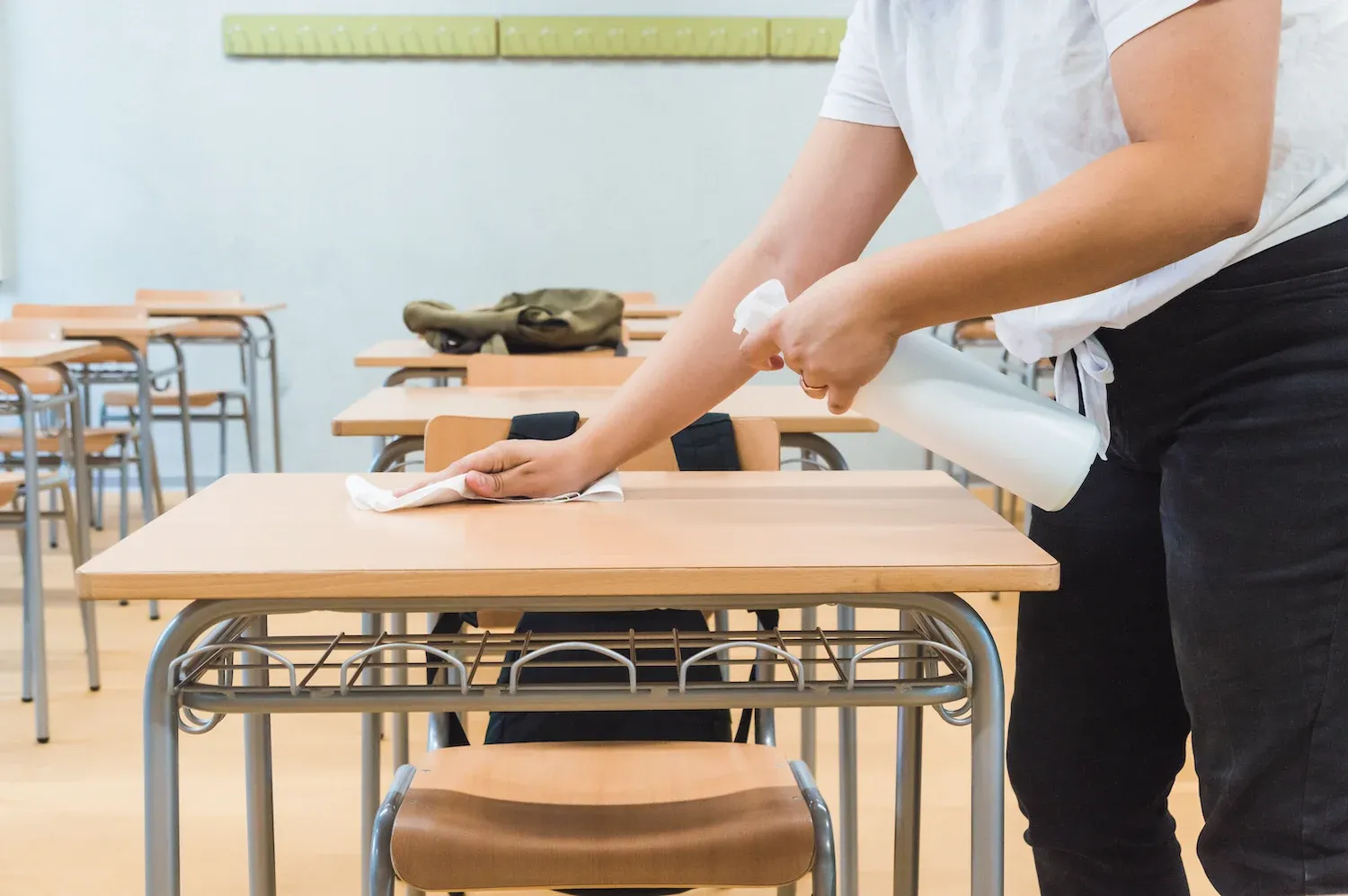
Schools contain classrooms, washrooms, dining spaces, corridors, offices, shared facilities, and specialist rooms with very different usage patterns. An effective cleaning plan should therefore prioritise spaces according to occupancy, foot traffic, activity, visible condition, and operating schedules. Combining scheduled cleaning with targeted checks helps facilities direct cleaning resources towards the areas that need them most.
What Should a School Cleaning Plan Prioritise?
Schools should give the greatest attention to high-use, shared, hygiene-sensitive, and rapidly soiled areas. Washrooms, entrances, dining areas, busy corridors, frequently occupied classrooms, and communal spaces often require more frequent attention than low-use rooms.
Cleaning frequency should follow actual use rather than room names alone.
How Should Classrooms Be Included in the Cleaning Plan?
Classroom cleaning should address recurring waste, floor debris, accessible surfaces, and visible signs of regular student use. Tasks may include emptying bins, vacuuming or cleaning suitable floors, removing visible debris, and attending to agreed communal surfaces.
Cleaners should avoid disturbing student work, teaching materials, personal belongings, confidential documents, and specialist equipment unless the agreed cleaning scope permits it.
Should Every Classroom Receive the Same Cleaning Frequency?
No. Classroom frequency can vary according to:
Student numbers
Age groups
Room occupancy
Floor type
Food and drink policies
After-school use
Visible condition
A heavily occupied classroom may need greater attention than a room used for only a few sessions each week.
Why Should School Washrooms Receive High Priority?
School washrooms can develop cleaning needs quickly because many students and staff may use the same facilities throughout the day. Heavily used washrooms may also require checks between full cleaning sessions.
Routine attention may include:
Cleaning toilets and urinals where applicable
Cleaning sinks and taps
Wiping suitable touchpoints
Cleaning mirrors
Emptying bins
Mopping suitable floors
Replenishing agreed consumables
Addressing visible spills or marks
Usage levels should determine how frequently checks occur.
How Should Cafeterias and Dining Areas Be Cleaned?
Meal periods create concentrated cleaning demand through food debris, packaging, spills, waste, and repeated table use. Cleaning should therefore align closely with dining schedules.
Routine tasks may include wiping suitable tables, removing visible food debris, emptying bins, cleaning appropriate floors, attending to spills, and maintaining agreed communal areas. Specialist food-preparation responsibilities should remain separate where different procedures apply.
Why Do Entrances and Corridors Need Frequent Attention?
Entrances and circulation routes experience concentrated movement during arrival, class changes, breaks, lunch periods, dismissal, and events. Shoes can carry dirt, moisture, dust, and outdoor debris across mats, carpets, hard floors, stairways, and corridors.
Seasonal rain, mud, or dry dust can increase cleaning demand. Facilities may therefore need scheduled cleaning plus additional checks during unusually busy periods.
Which Shared School Spaces Need Regular Cleaning?
Shared spaces should follow their actual occupancy and activity patterns rather than a standard frequency.
Depending on the facility, these may include:
Libraries
Computer rooms
Staff rooms
Meeting rooms
Common rooms
Assembly spaces
Multipurpose rooms
Reception areas
Administrative offices
Shared study areas
Frequently booked rooms normally require more attention than spaces that remain unused for long periods.
How Should Schools Handle Frequently Used Shared Surfaces?
Facilities should identify communal touchpoints according to building layout, student movement, and the agreed cleaning scope.
Relevant surfaces may include door handles, push plates, handrails, suitable shared tables, selected equipment controls, and other frequently used communal points. Cleaning frequency should reflect how often people interact with each surface.
When Should Daily School Cleaning Take Place?
Schools can divide cleaning across several periods rather than completing every task at once. A daily cleaning service may combine scheduled work outside teaching periods with targeted maintenance while the building remains occupied.
Before Students Arrive
Early cleaning can prepare entrances, selected shared spaces, washrooms, offices, and other priority areas before normal activity begins.
During School Hours
Daytime maintenance is useful for immediate or rapidly developing needs such as:
Spill response
Waste attention
Washroom checks
Entrance maintenance
Visible cleaning issues
Cleaning around occupied spaces should minimise obstruction and unnecessary disruption.
After Students Leave
Lower occupancy can make classroom cleaning, corridor floor care, office cleaning, waste removal, and shared-space maintenance easier to organise after teaching ends.
Should High-Traffic Areas Be Checked More Than Once?
Yes, where actual usage requires it. One scheduled cleaning period may not be sufficient for busy washrooms, cafeterias, entrances, waste points, corridors, or heavily used communal areas.
Facilities should add checks when visible conditions indicate that cleaning needs develop between full sessions rather than following an arbitrary inspection interval.
How Can Schools Divide Cleaning into Zones?
Zoning makes cleaning responsibilities and frequencies easier to manage. Facilities can divide the property into groups such as:
Teaching areas
Washrooms
Food and dining spaces
Administration areas
Entrances and circulation routes
Shared communal areas
Specialist spaces
Each zone can then receive its own task list, timing, frequency, and responsible team.
How Should Cleaning Tasks Be Prioritised Each Day?
Schools can use a simple three-level system.
Priority 1: Immediate Issues
Spills
Significant visible mess
Unexpected waste build-up
Other urgent conditions within the cleaning scope
Priority 2: High-Use Areas
Washrooms
Dining areas
Entrances
Busy corridors
Frequently occupied communal spaces
Priority 3: Routine Scheduled Areas
Classrooms
Offices
Libraries
Meeting rooms
Other regularly maintained spaces
Events, timetable changes, or unusual building use may temporarily change these priorities.
How Should Schools Plan Waste and Recycling Tasks?
Waste volumes can differ significantly across the same property. Dining areas may generate concentrated waste around meal periods, while classrooms and offices may fill bins more gradually.
Cleaning plans should cover classroom bins, office waste, shared collection points, dining-area waste, recycling arrangements, and movement to designated collection locations. Regulated waste should follow separate site procedures.
What About Specialist Educational Spaces?
Science laboratories, workshops, art rooms, sports facilities, medical rooms, and specialist teaching spaces may require different responsibilities from standard classrooms.
Schools should apply site-specific procedures for these areas, particularly where equipment, chemicals, specialist materials, or restricted activities are involved.
Which Tasks Should Not Automatically Be Treated as Daily Cleaning?
Some work belongs on weekly, monthly, termly, holiday-period, or condition-based schedules.
Examples include:
Carpet extraction
Detailed floor maintenance
Upholstery cleaning
High-level dusting
Detailed internal glass cleaning
External window cleaning
Selected deep cleaning
Hard-to-reach cleaning
Routine work should complement rather than replace periodic maintenance.
How Can School Holidays Support Periodic Cleaning?
Lower occupancy during scheduled closures can provide better access for intensive floor work, carpet cleaning, high-level cleaning, and other tasks that may cause disruption during teaching periods.
However, facilities should schedule each task according to actual need rather than postponing all detailed work until holidays.
How Can Schools Check Whether the Cleaning Plan Is Working?
Facility teams can review cleaning checklists, visual inspections, recurring problem areas, missed tasks, waste levels, washroom condition, floor appearance, and changes in space use.
Repeated issues may indicate that task frequency, staffing allocation, timing, or zone priorities need adjustment.
How Often Should a School Review Its Cleaning Plan?
Cleaning plans should be reviewed whenever operating conditions change. Relevant triggers include increased enrolment, timetable changes, building expansion, new facilities, events, seasonal conditions, altered opening hours, persistent cleaning issues, or changing room usage.
A responsive plan remains aligned with how the educational facility actually operates.
Conclusion
Effective school cleaning depends on prioritising classrooms, washrooms, dining areas, entrances, corridors, shared facilities, and waste points according to actual use. Facilities can combine scheduled cleaning, targeted daytime checks, zone-based responsibilities, and periodic maintenance to manage different demands. Cleaning frequency should remain flexible enough to reflect occupancy, operating patterns, events, seasonal conditions, and changing use across the property.