How to Keep Office Reception Areas Presentable Between Visits
Discover efficient tips to maintain a tidy office reception between professional cleanings. Ensure a welcoming space with simple, everyday tasks.
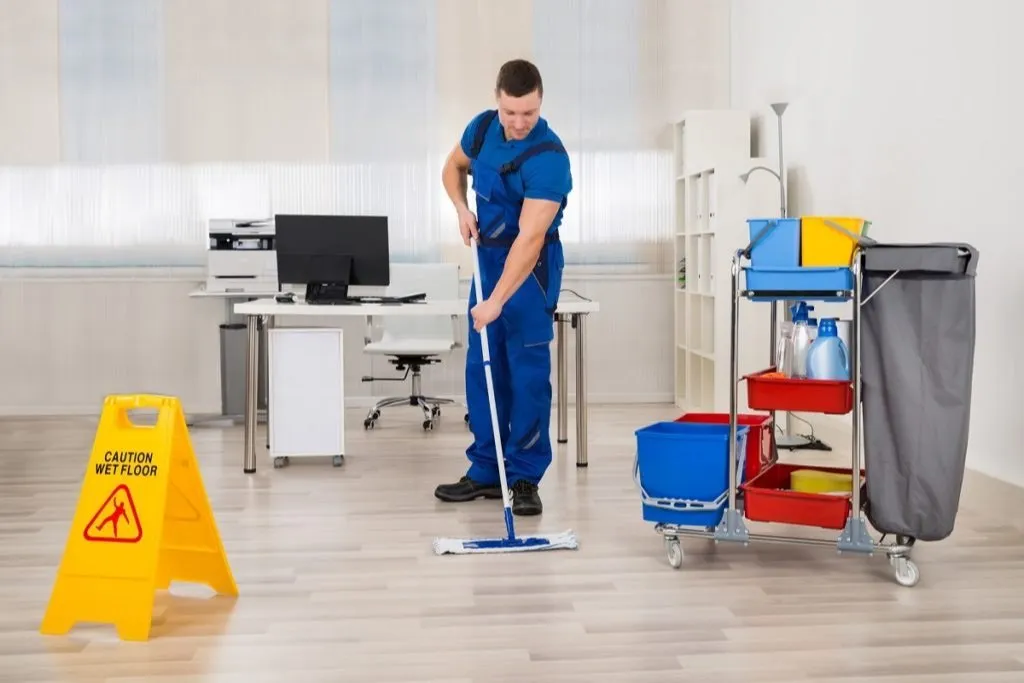
Keeping an office reception area presentable between cleaning visits requires quick checks for fingerprints, tracked-in dirt, untidy seating, and overflowing waste. Reception staff can straighten displays and handle minor, authorized upkeep, but specialized cleaning still needs appropriate personnel and equipment. For offices arranging commercial cleaning in San Antonio, a simple routine should reflect visitor numbers, floor conditions, and available staff time rather than interrupting check-ins or assigning technical tasks to receptionists.
Separate Everyday Upkeep From Professional Cleaning
Reception maintenance means correcting small problems as they appear. An employee might return brochures to their holder, remove abandoned packaging, or report a muddy entrance. Such tasks keep the space orderly between appointments; they do not replace detailed floor care, extensive glass work, upholstery treatment, or specialized disinfection.
Managers should identify which materials staff may use and which issues they must report. For example, a receptionist may wipe an approved countertop during a quiet interval, while a cleaning team handles a stained carpet or a difficult floor finish. This separation also prevents hurried attempts to treat unfamiliar surfaces with unsuitable products.
Keep the Reception Desk Organized and Accessible
The front counter often holds visitor forms, pens, appointment details, identification equipment, and employee computers. Give frequently used supplies designated places, and remove outdated handouts before they crowd the counter. Keep confidential paperwork away from public view and follow office rules for visitor records.
For minor fingerprints or crumbs, staff may wipe clear, compatible surfaces with an approved cloth and cleaner. However, they should avoid disturbing connected equipment, moving someone else's papers, or applying liquids directly to screens and electrical controls. Leave detailed cleaning around cables and devices to authorized personnel.
A brief counter check can cover:
● Visitor supplies: Refill approved forms and return shared pens to their container.
● Clear workspace: Remove nonessential items without touching private documents.
● Visible marks: Address accessible smudges using surface-compatible materials.
Watch Entrance Floors and Walkways Throughout the Day
Outdoor dust, grit, and seasonal pollen may collect near San Antonio office entrances. Rain can also leave damp patches around doors and mats. Inspect these locations after busy arrival periods instead of assuming the next scheduled service will handle every problem.
If staff have training and appropriate supplies, they can remove small amounts of loose debris or spot-clean a suitable floor. Material matters: a method intended for sealed tile may not suit wood, carpet, or a special finish. Keep mats flat, remove obstacles, and maintain clear access for visitors using mobility aids.
When moisture creates a slip hazard, restrict access where necessary, place appropriate warnings, and request authorized cleaning promptly. Reception staff should not attempt machine scrubbing, chemical floor treatment, or repairs to damaged flooring.
Maintain Visitor Seating Without Damaging Furniture
Waiting areas become untidy when visitors move chairs, leave papers, or shift cushions. Straighten lightweight furniture where permitted, remove unattended litter, and check for crumbs beside seats. Preserve clear circulation space rather than arranging chairs too close to doors or corridors.
Different materials require different care. Fabric upholstery may hold stains that ordinary wiping cannot remove, while leather, vinyl, and coated surfaces have their own product restrictions. An approved dry cloth may address accessible dust, but staff should report persistent marks rather than experimenting with stain removers. Leave heavy furniture and delicate pieces in place.
Spot-Clean Accessible Glass and Shared Touchpoints
Glass doors and reception partitions show fingerprints quickly, especially around handles. If office policy permits, remove accessible smudges with materials suitable for the glass and any protective coating. Use restrained moisture to avoid drips and streaks. Larger panes, inaccessible sections, and work at height belong in the scheduled cleaning plan.
Reception counters, door handles, check-in devices, lift buttons, and shared pens may receive frequent contact. Consequently, they may need attention between routine visits. Ordinary cleaning removes visible soil; disinfection requires a compatible product and adherence to its labeled directions, including contact time. Never spray electronic equipment or assume every surface needs the same treatment.
Control Waste, Odors, and Visitor Materials
Inspect reception bins before they overflow, particularly after deliveries or events. Remove ordinary rubbish through the designated collection process, and maintain recycling arrangements where available. Position containers away from walking routes and keep loose packaging off the floor. Unknown or potentially hazardous waste requires workplace reporting procedures, not improvised handling.
Unpleasant odors may come from food wrappers, damp mats, or nearby waste storage. Identify the source first instead of covering it with strong fragrance, which visitors may find uncomfortable. Persistent smells warrant a facility maintenance check or professional attention.
Brochure racks and display tables also need regular checks. Straighten materials, remove damaged copies with approval, and replace outdated notices through the designated administrator. Do not reset digital signage, adjust check-in screens, or clean electronic displays without following their approved care instructions.
Check Plants and Decorative Features
Plants, artwork, and display shelves can collect fallen leaves, dust, or scattered decorative material. Remove loose debris when staff can do so without disturbing arrangements. Keep watering responsibilities clear because excess water may damage furniture or create wet spots on floors. Follow appropriate care instructions before wiping delicate finishes, and report unstable or heavy items instead of attempting to move them.
Respond Safely to Spills and Unexpected Messes
A dropped drink, muddy footprint, or scattered snack may need attention before the next cleaning appointment. Notify the responsible employee, protect the affected walkway, and use authorized methods for minor incidents. During a busy check-in period, one staff member can continue welcoming visitors while another arranges assistance if staffing permits.
Broken glass, bodily fluids, unidentified chemicals, or liquid near electrical equipment require additional precautions. Keep visitors clear and follow incident procedures rather than asking untrained reception personnel to improvise. Record recurring spills so managers can address their causes, such as an unstable beverage station or an entrance mat that shifts.
Build a Practical Routine Around Visitor Traffic
A manageable plan divides upkeep into short checks rather than continuous cleaning. Match each check to staffing, office hours, and the number of people arriving. Quiet periods suit light straightening; larger tasks should wait until trained cleaners can work without obstructing visitors.
● Before opening: Arrange seating, check entrance conditions, and prepare current visitor materials.
● During the day: Inspect bins, accessible touchpoints, glass smudges, and walkways after traffic peaks.
● After busy periods: Reset chairs, clear ordinary litter, and report spills or stains.
● At closing: Secure paperwork, organize the desk, and pass unresolved issues to the cleaning team.
Assign each task to reception, administration, facilities, or contracted cleaning personnel according to training and access permissions. Keep approved cloths and supplies in a secure location away from visitors. An issue log helps supervisors track missed tasks, damaged furniture, persistent odors, or areas requiring specialist work. Review the routine when visitor volume, staffing, or the reception layout changes.
Conclusion
Reception areas stay presentable when staff check visible conditions and handle only safe, authorized tasks. Clear desks, orderly seating, clean entrance routes, and organized displays require brief attention, while specialist treatment remains with qualified cleaning personnel. Establish responsibilities, keep supplies appropriate to each surface, and report hazards immediately. A simple opening, daytime, and closing routine gives reception teams a workable way to support scheduled cleaning without disrupting visitors or taking on unsuitable work.