What Office Areas Should Professional Cleaners Clean Daily?
Daily cleaning is crucial for high-use office areas like entrances, washrooms, and kitchens to ensure cleanliness and efficiency.
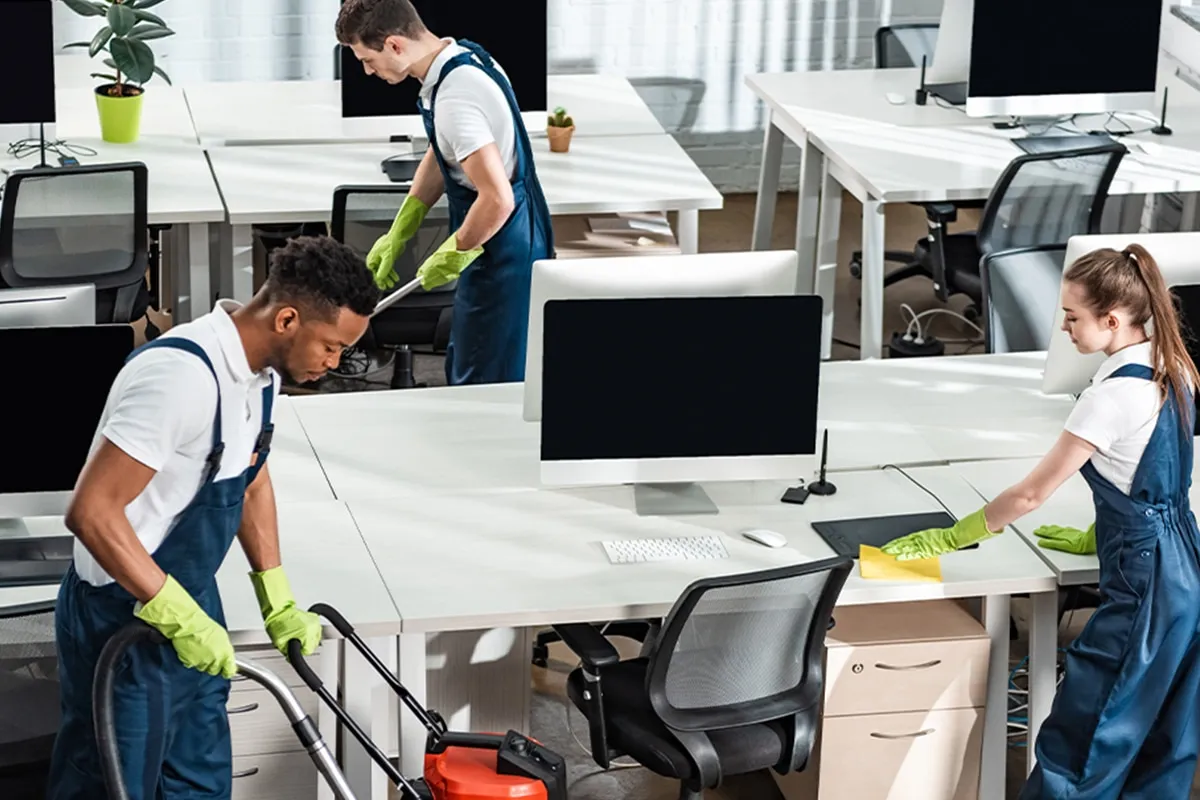
Different parts of an office accumulate dirt, waste, spills, fingerprints, and surface marks at different rates. Shared and heavily used spaces usually need more frequent attention than private or lightly occupied rooms. An effective cleaning schedule therefore prioritises areas according to foot traffic, occupancy, visitor activity, hygiene requirements, and how quickly visible cleaning needs develop.
Which Office Areas Usually Need Daily Cleaning?
High-use, shared, customer-facing, and hygiene-sensitive areas commonly require the most frequent cleaning. Entrances, reception areas, washrooms, kitchens, busy workspaces, corridors, floors, waste points, and frequently touched communal surfaces often need routine attention.
Lower-use rooms may follow a different schedule if their condition remains acceptable between cleaning visits.
Entrances, Lobbies and Reception Areas
Entrances and reception spaces experience repeated foot traffic and remain highly visible to employees and visitors. Outdoor dirt, moisture, litter, and floor debris can accumulate quickly, particularly during poor weather.
Routine tasks may include:
Remove visible litter and debris.
Vacuum entrance mats and suitable carpets.
Sweep or mop appropriate hard floors.
Wipe accessible reception counters.
Empty waste bins.
Remove visible marks from suitable internal glass.
Check agreed frequently touched surfaces.
Reception areas may need additional attention when customers, clients, applicants, contractors, or tenants regularly enter the property.
Workstations and Open-Plan Office Areas
Work areas require careful cleaning because desks may contain paperwork, personal belongings, electronic equipment, and confidential materials. Cleaners should focus on accessible surfaces included within the agreed scope.
Shared Desks and Accessible Surfaces
Shared desks and communal worktops can receive repeated use throughout the working day.
Typical tasks include wiping clear desk surfaces, cleaning shared tables, removing accessible dust, emptying nearby bins, and maintaining communal work areas. Cleaners should not move confidential documents, personal possessions, or sensitive equipment unless specific procedures permit it.
Office Floors
Office floors collect dust, grit, crumbs, tracked-in soil, and occasional spills. Carpeted areas may require vacuuming, while suitable hard floors may need sweeping, mopping, or spot cleaning.
Foot traffic and flooring material should determine frequency. Main walking routes generally need more attention than low-use corners or private spaces.
Washrooms
Washrooms often rank among the highest-priority office areas because repeated use quickly affects fixtures, floors, bins, mirrors, and consumable supplies.
Routine work can include:
Clean toilets and urinals where applicable.
Clean sinks and taps.
Wipe suitable touchpoints.
Clean mirrors.
Empty bins and replace liners where required.
Mop floors.
Replenish agreed consumables.
Check for visible spills, marks, or other cleaning issues.
A lightly used washroom may need less attention than facilities serving a large workforce, so actual usage should shape the schedule.
Staff Kitchens and Break Rooms
Food preparation, drinks, shared appliances, waste, spills, and frequent employee use create recurring cleaning requirements in kitchens and break rooms.
Common tasks include:
Wipe accessible worktops.
Clean sinks and taps.
Wipe tables.
Remove visible food debris.
Empty waste and recycling bins.
Clean visible spills.
Spot-clean appliance exteriors where included.
Sweep or mop suitable floors.
Employees' dishes, stored food, and appliance interiors should not automatically fall within the cleaning scope unless specifically agreed.
Meeting and Conference Rooms
Meeting spaces may need frequent cleaning when employees, visitors, or clients use them repeatedly. Heavily booked rooms can accumulate surface marks, waste, floor debris, and general untidiness faster than rarely used spaces.
Routine attention may cover tables, accessible surfaces, floors, waste bins, visible marks, and suitable shared touchpoints. Client-facing rooms may require closer presentation checks before important meetings.
Corridors, Stairways and High-Traffic Routes
Circulation areas receive constant movement and can spread tracked-in dirt throughout the building. Entrances, corridors, stairways, lift lobbies, and connecting routes may therefore need frequent floor care.
Relevant tasks include removing litter, vacuuming or sweeping, mopping suitable floors, spot-cleaning spills, and wiping handrails or other agreed touchpoints. Rain, mud, and seasonal dust can increase cleaning demand considerably.
Waste and Recycling Areas
Waste management should form part of routine office maintenance where included in the agreed cleaning scope. Busy kitchens, desk areas, printing stations, and communal spaces often generate the highest volumes.
Cleaners may empty bins, replace liners, separate recycling according to the workplace system, move waste to designated collection points, and remove visible rubbish around containers.
Specialist or regulated waste requires separate procedures.
Frequently Touched Shared Surfaces
Communal touchpoints should reflect the actual office layout rather than a standard list applied to every property. High-use surfaces may need more frequent attention where many people interact with them.
Examples include:
Door handles
Push plates
Light switches
Handrails
Shared equipment controls
Kitchen touchpoints
Washroom touchpoints
Lift buttons where applicable
The frequency should follow usage levels and the agreed cleaning standard.
Do All Office Areas Need Cleaning Every Day?
No. Cleaning frequency should reflect actual use and condition.
Storage rooms, archive spaces, low-use private offices, vacant rooms, certain internal windows, and secondary areas may not require the same frequency as washrooms, entrances, kitchens, or busy workspaces. Applying identical schedules across every room can waste cleaning time without improving overall standards.
What Determines Which Areas Need Daily Attention?
Office managers should assess how quickly each area develops visible cleaning requirements. A daily cleaning service may be appropriate for high-use zones when shorter cleaning intervals help control waste, dirt, floor debris, spills, and shared-space mess.
Important factors include:
Employee numbers
Visitor volume
Foot traffic
Office size
Operating hours and shifts
Washroom and kitchen usage
Shared workspace activity
Customer-facing areas
Floor materials
Waste generation
Seasonal weather
Visible conditions between cleaning visits
Different areas can follow different frequencies within the same office.
Daily Cleaning vs Periodic Cleaning Tasks
Routine cleaning handles recurring maintenance, while periodic work addresses deeper or less frequent requirements.
Periodic tasks may include carpet extraction, upholstery cleaning, detailed floor treatment, high-level dusting, detailed internal glass cleaning, exterior window cleaning, appliance deep cleaning where required, and hard-to-reach cleaning.
Routine maintenance should complement rather than replace these scheduled tasks.
How Should Offices Prioritise Cleaning Areas?
Office cleaning priorities should follow actual operational demand. The most useful approach ranks spaces according to usage frequency, foot traffic, shared use, waste production, customer visibility, cleaning sensitivity, and the speed at which visible mess develops.
An area-based schedule directs cleaning effort towards busy zones while allowing lightly used rooms to follow a less frequent programme.
Conclusion
Entrances, reception areas, washrooms, kitchens, busy workspaces, floors, corridors, waste points, and shared surfaces commonly need frequent office cleaning because they experience the greatest use. However, every office operates differently. Cleaning priorities should reflect occupancy, visitor activity, floor traffic, operating hours, shared facilities, and the condition of each area rather than applying one identical schedule across the entire workplace.