What Should a Two-Story Office Cleaning Plan Include?
Create a cleaning plan for two-story offices with tailored tasks for efficiency and safety. Include designated room duties and synchronized cleaning efforts.
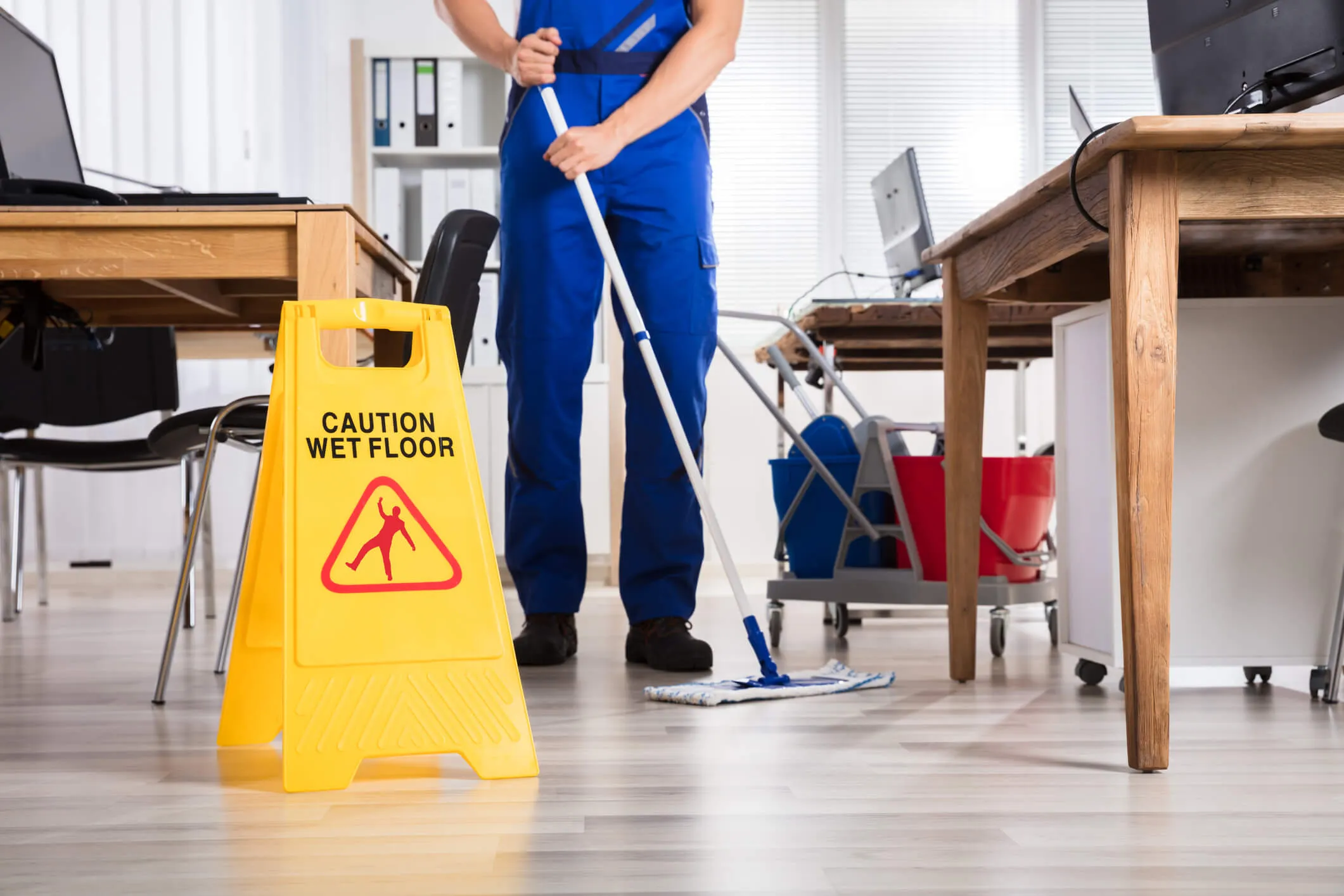
A two-story office needs more than one cleaning checklist repeated on both levels. Reception traffic, upstairs workstations, shared restrooms, and connecting stairways create different demands. A practical plan assigns tasks by room and usage while protecting equipment. For facilities considering commercial cleaning in San Antonio, the starting point remains the building's actual layout and occupancy, not a standard package of services.
Assess Both Floors Before Assigning Work
Start with a walkthrough during business hours. Record each floor's area, room count, flooring, and expected occupancy. Identify entrances, break areas, restrooms, meeting spaces, storage rooms, and restricted offices. Note visitor peaks, opening hours, deliveries, and rooms used after hours.
Two similarly sized buildings can require different service levels. A busy ground-floor reception may collect dirt quickly, while an upstairs training room may generate more waste after scheduled sessions. Match cleaning frequency to activity instead of giving every room identical attention.
Create a floor map that marks:
● High-use zones: Entrances, shared counters, corridors, and frequently booked rooms.
● Sensitive spaces: Server rooms, confidential offices, and equipment-heavy work areas.
● Service points: Supply cupboards, waste collection areas, sinks, and accessible outlets.
Separate Ground-Level and Upper-Level Responsibilities
Each floor needs its own task list, but staff should coordinate work in shared spaces. Assign ownership clearly so no one overlooks a landing, hallway, or restroom.
Ground-Level Priorities
At the entrance, inspect mats for tracked-in grit and moisture. Clean reception counters, waiting-room furniture, door glass, and frequently touched handles as needed. Sweep or vacuum main corridors before dirt spreads farther into the building. If visitors arrive continuously, schedule brief daytime touchups rather than relying on evening cleaning.
Upper-Level Priorities
Upstairs, work around desk occupancy and meeting schedules. Prioritize shared tables after group use, empty waste bins without disturbing documents, and clean circulation routes during quieter periods. Private offices may need access approval, while conference rooms may require quick resets between meetings. An upper floor with heavy visitor activity may need more frequent cleaning than the entrance level.
Include Stairs, Elevators, and Shared Access Points
Staircases connect cleaning routes and deserve their own scheduled tasks. Remove debris from treads and landings, clean handrails, and check corners where dust collects. Where an elevator exists, address buttons, interior handrails, door edges, and floors. Include common corridors, shared handles, and access-control touchpoints in cross-floor assignments.
Carry supplies in secure containers and use suitable carts or designated storage on each level. Never leave equipment blocking stairs or exit routes. Coordinate wet cleaning so employees can use an alternative safe route until surfaces dry. Staff should report damaged flooring or loose mats rather than attempting repairs outside their duties.
Build Daily, Weekly, and Periodic Schedules
Separate daily needs from tasks requiring additional equipment or access. Set initial frequencies from occupancy and adjust after inspections; no fixed timetable suits every office.
● Daily or as needed: Remove rubbish, service restrooms, clean break-area counters, address spills, and attend to busy touchpoints.
● Weekly or according to use: Dust reachable ledges, clean interior glass, inspect corners, and detail chair bases and low-traffic areas.
● Monthly or periodically: Review carpet extraction, hard-floor treatment, high-level dusting, and difficult-to-access fixtures with suitable methods and trained personnel.
Keep event-based tasks separate. A catered meeting may require immediate waste removal, while rain may increase entrance-mat checks. Record these changes without increasing service everywhere.
Protect Desks, Documents, and Electronic Equipment
Workstations require clear boundaries. Clean exposed desktop areas and chair arms with compatible products, but leave papers, personal items, and confidential records in place. Managers should define which surfaces employees must clear before cleaners arrive. Secure offices and restricted areas need documented access arrangements.
For shared phones, keyboards, screens, and other electronics, follow equipment manufacturers' instructions. Apply a suitable product to a cloth when permitted, not directly to devices. Avoid excess moisture near ports, cables, switches, and power outlets. Routine dust removal differs from disinfection, which requires an appropriate registered product, surface compatibility, and the label's stated contact time.
Use Dedicated Procedures for Restrooms and Kitchens
Restrooms and food areas need distinct tools and cleaning sequences. In restrooms, attend to toilets, sinks, faucets, handles, dispensers, mirrors, and floors. Refill soap, paper supplies, and other essentials before stocks run low. Check bins and high-touch fixtures more often when staff occupancy rises or visitors share the facilities.
In kitchens and break rooms, clean food-contact surfaces with products appropriate for their intended use. Remove crumbs, wipe tables and appliance exteriors, inspect sinks, and empty food waste. Avoid transferring restroom cloths, brushes, or mop heads into kitchen or general office areas. Color-coded tools and separate storage can help staff maintain that separation.
Match Floor Care to Materials and Conditions
Carpet, tile, vinyl, and sealed hard surfaces do not tolerate identical treatment. Vacuum carpeted routes according to foot traffic, and use spot methods when stains appear. For hard floors, follow surface care instructions and select equipment that will not damage finishes. Clean stair edges carefully, where grit can accumulate unnoticed.
San Antonio's outdoor dust, seasonal pollen, and periods of rainfall can increase soil tracked through entrances. Inspect mats and adjacent flooring rather than setting extra cleaning solely by season. During wet work, place visible caution signs, control access where necessary, and remove signs only after the floor becomes safe to walk on.
Plan Waste Routes, Stock, and Staff Movement
Give each floor designated collection points and clear procedures for ordinary waste and available recycling streams. Empty containers before overflow, use suitable liners, and keep collection routes away from customer-facing activity when possible. Separate waste handling from clean supply transport to prevent unnecessary contact between bags and fresh materials.
Stock commonly used consumables near their point of use where storage permits. Check quantities during each service, maintain a simple reorder threshold, and label chemical containers properly. Staff should follow product instructions, use suitable protective equipment, and provide ventilation where labels require it. Never mix cleaning chemicals.
Schedule Service Around Office Operations
Choose cleaning windows after reviewing opening times, staff movement, meetings, and deliveries. Daytime staff can respond quickly to spills and restroom shortages, but vacuuming and floor washing may interrupt calls or create access problems. After-hours crews gain clearer access to desks and meeting rooms, although managers must arrange secure entry and closing procedures.
A blended schedule often works best: daytime touchups for active shared areas and quieter periods for detailed work. Place noisy tasks outside important meetings. Assign a contact person for unexpected room bookings, urgent spills, or temporary access restrictions.
Check Results and Update the Plan
Use floor-specific checklists that identify tasks, frequency, responsibility, and completion time. Inspect representative areas rather than judging performance only from reception. Record recurring issues, including overflowing bins, missed stair corners, supply shortages, or damaged mats, and assign corrective actions.
Review the plan after layout changes, staffing shifts, extended hours, or events. Compare inspection findings with actual traffic and adjust routes or frequencies where necessary.
Conclusion
A useful two-story office cleaning plan reflects how people move through and use the premises. It combines room-specific tasks, safe methods, supply routes, and service windows. Separate responsibilities for each level, coordinate shared access points, and check results regularly. Start with a building walkthrough, then turn its findings into a floor-by-floor schedule that staff can follow and managers can verify.