Which Office Areas Need Daily or Weekly Cleaning?
Discover the optimal cleaning schedule for office spaces. Differentiate between daily and weekly tasks to maintain a clean work environment.
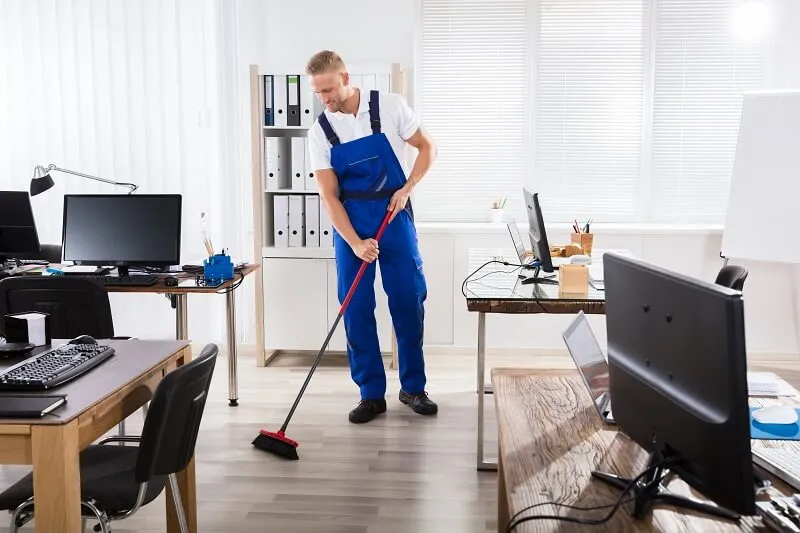
Office cleaning schedules should reflect how people use each space, not divide rooms into daily and weekly categories. Restrooms, shared desks, and food areas collect dirt from storage rooms and private offices. For managers planning commercial cleaning in San Antonio, occupancy, surface contact, visitor traffic, and visible contamination should determine priorities. A weekly schedule never justifies leaving spills or unsafe conditions unattended.
How Daily Cleaning Differs From Weekly Attention
Daily cleaning addresses tasks that accumulate quickly or affect spaces people repeatedly share. These usually include restroom servicing, food residue removal, waste collection, high-touch surfaces, and tracked-in debris. Weekly work focuses on slower dust buildup, lower-use rooms, and detailed tasks that do not require immediate attention.
However, frequency applies to individual tasks, not entire rooms. A private office might need daily trash removal but weekly shelf dusting. Similarly, an occasionally occupied conference room may need a quick inspection each day and a thorough clean after every large meeting. Managers should adjust both frequencies when conditions change.
Restrooms and Food Areas Need Daily Service
Restrooms generally require cleaning every working day because multiple occupants handle fixtures and generate waste. A busy facility may need additional checks during operating hours, particularly when soap or paper supplies run low.
Prioritize the following activities:
● Toilets and sinks: Clean fixtures, faucets, counters, and surrounding surfaces using suitable products.
● Touchpoints: Attend to door handles, dispensers, and other frequently contacted areas.
● Floors and bins: Remove debris, address moisture, empty waste, and check for hazards.
● Consumables: Refill essentials based on actual usage rather than waiting for complaints.
Kitchens and break rooms also call for daily attention. Wipe food-preparation counters, shared tables, sink surrounds, and commonly touched appliance exteriors. Remove food scraps promptly, especially from bins that may develop odors. Conversely, refrigerator interiors or cabinet shelving may follow a separate periodic plan, depending on spills and employee responsibilities.
Routine cleaning removes soil; disinfection uses an appropriate product to reduce microorganisms. When disinfection is necessary, follow label instructions for compatible surfaces and contact time rather than treating every object identically.
Entrances, Reception, and Shared Desks
Reception spaces create the first cleaning demands of many offices. Visitors touch doors, counters, and seating, while footwear brings debris onto entrance mats and floors. Inspect these areas daily, wiping visible fingerprints and removing tracked-in dirt. After rainfall, address wet flooring promptly and use suitable slip precautions.
San Antonio offices may also encounter outdoor dust and seasonal pollen, making entrance conditions worth monitoring. Nevertheless, debris and foot traffic should determine whether mats need additional attention during the day.
Shared workstations often warrant cleaning between users or at the end of each workday. Concentrate on accessible desktop surfaces, chair arms, and common tables. Do not move personal documents, unplug equipment, or spray computers. Instead, follow workplace policies and manufacturer instructions for keyboards, monitors, and other electronics.
An individually assigned desk may require less frequent detailed wiping when its user maintains it, but visible contamination still calls for attention.
Meeting Rooms, Hallways, and Staircases
Meeting rooms need schedules that follow bookings rather than calendar days alone. A busy conference room may need table wiping, rubbish removal, and chair checks between sessions. However, a room unused for several days may require only a quick inspection, followed by weekly dusting or vacuuming when conditions permit.
Check audiovisual controls and shared touchpoints under approved equipment procedures. Where meals accompany meetings, remove spills and food waste immediately instead of leaving them for the next scheduled visit.
Circulation areas deserve a mixed approach:
● Daily attention: Busy corridors, lift buttons, door handles, and frequently used handrails.
● Condition-based attention: Floor spills, muddy footprints, and loose debris on stair treads.
● Weekly detail: Low-touch ledges, corners, and lightly used landings when inspection supports that interval.
A restricted staircase may collect little dirt, while a main hallway carries constant traffic. Accordingly, managers should assess each route separately and keep exits clear throughout cleaning.
Spaces That May Suit Weekly Cleaning
Private offices with limited occupancy may not need complete daily servicing. Staff can empty regularly used bins as necessary, check for spills, and reserve detailed dusting for a weekly visit. Where employees eat at their desks or host visitors frequently, increase surface cleaning accordingly.
Storage rooms, filing areas, and supply cupboards often accumulate dust more slowly. Weekly inspections can identify debris, blocked access, or spills; shelf cleaning may follow the same cycle when surfaces remain accessible. Cleaners should not move archived files, confidential records, or stock without authorization.
Interior windows, decorative fixtures, and glass partitions may also fit a weekly rotation. Yet fingerprints on frequently touched glass can justify daily spot wiping. Use safe access methods for reachable surfaces and arrange qualified assistance for work at height.
Weekly tasks commonly include:
● Dusting accessible shelves, furniture edges, and low-touch fixtures.
● Cleaning interior glass with visible smudges or gradual dust buildup.
● Vacuuming quieter corners and suitable floor edges.
Specialist carpet extraction, floor refinishing, and difficult high-level cleaning require separate assessments rather than automatic weekly bookings.
Match Floors and Waste Collection to Actual Use
A single vacuuming or mopping rule rarely suits every surface. Busy carpeted routes may need daily vacuuming, while quieter sections may tolerate a weekly cycle if inspections show minimal debris. Hard flooring requires methods appropriate to its finish, with prompt spot cleaning whenever spills create slip risks.
Waste schedules also vary. Restroom bins and containers holding food scraps commonly need daily emptying. Conversely, low-use paper recycling bins may allow less frequent collections if they remain clean and do not overflow. Separate waste streams where facilities support recycling, and keep collection routes away from active meetings when possible.
Respond to Problems Outside the Routine Schedule
Cleaning schedules establish minimum planned attention, not permission to postpone urgent problems. Staff should report and address ordinary spills, overflowing bins, and blocked walkways promptly. Broken glass, bodily fluid contamination, or unidentified substances may demand restricted access, special protective measures, and personnel authorized to handle the incident.
For electrical spills or damaged equipment, follow workplace safety procedures rather than attempting unapproved repairs. Record recurring problems so managers can correct causes instead of repeatedly relying on emergency cleaning.
Create and Review a Practical Schedule
Walk through each room during normal operating hours. Note employee numbers, visitor patterns, shared equipment, flooring types, food activity, and recurring dirt. Then assign separate daily, weekly, and condition-based tasks with clear responsibility for completion.
Use a short checklist for each zone, including:
● Task and location: Specify what staff should clean and where.
● Frequency and trigger: State the routine interval and conditions requiring extra attention.
● Inspection and escalation: Record completion, supply shortages, hazards, and access restrictions.
Compare inspection results with employee feedback. For example, repeated restroom shortages suggest supply checks, while dusty unused shelves may need only occasional attention. Review schedules after staffing changes, office rearrangements, or longer opening hours.
Conclusion
Daily cleaning usually belongs in restrooms, food areas, busy entrances, shared workstations, and frequently touched circulation spaces. Weekly attention can suit low-use offices, storage areas, decorative surfaces, and detailed dusting when inspections support that frequency. Rather than assigning one rule to every room, divide each area into specific tasks, check conditions regularly, and respond immediately to safety hazards. An effective schedule follows real usage and changes when the workplace does.