Why Do Commercial Restrooms Need Frequent Cleaning?
Understand the importance of frequent cleaning for commercial restrooms to ensure hygiene and control maintenance issues.
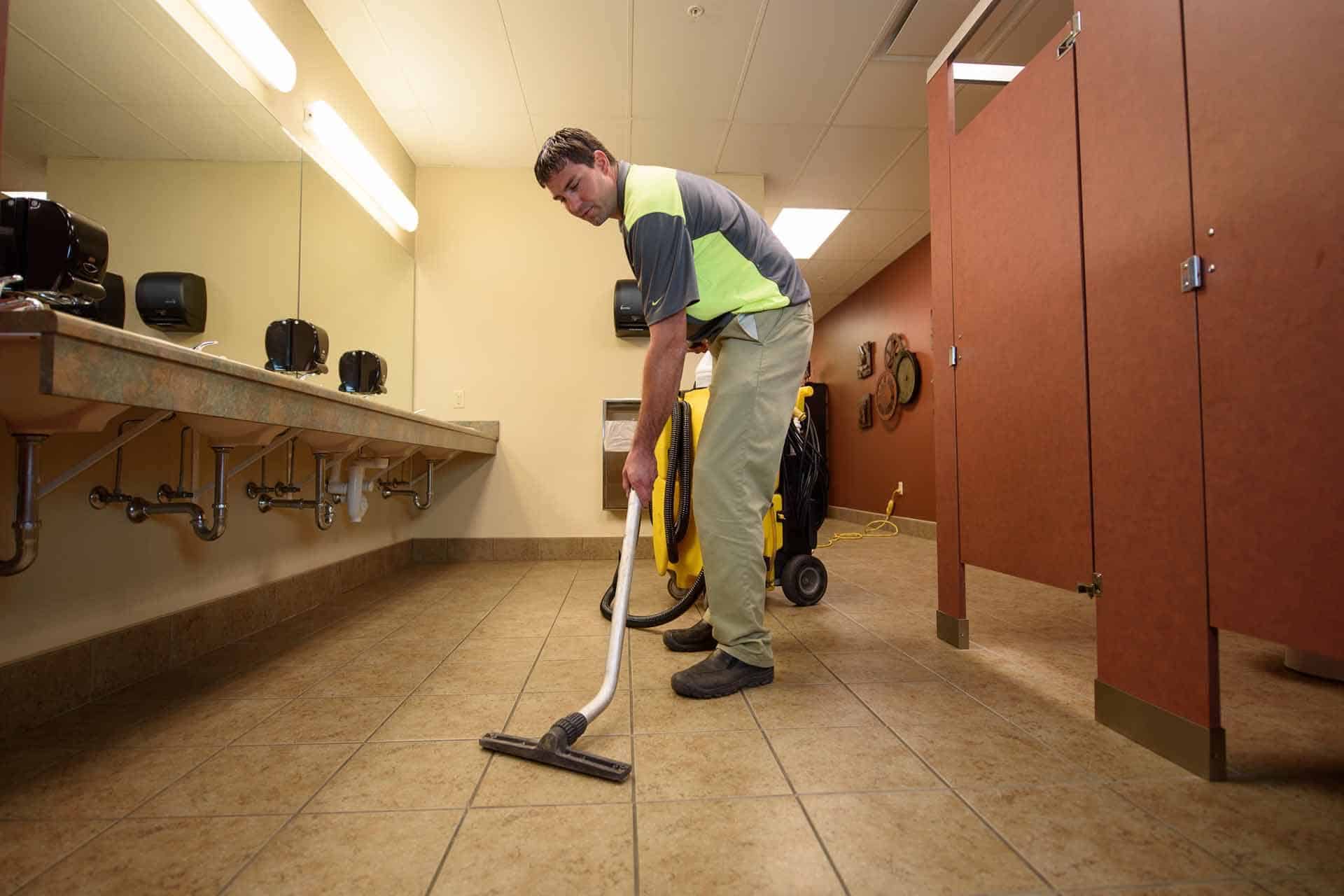
Commercial restrooms often need frequent attention because employees, customers, visitors, tenants, and other occupants may use them repeatedly throughout operating hours. Heavy use can quickly affect fixtures, floors, mirrors, waste bins, sinks, and consumable supplies. Regular cleaning and inspection help control visible mess, maintain presentation, and identify issues before they become larger maintenance concerns.
Why Do Commercial Restrooms Need Frequent Cleaning?
Repeated use creates cleaning needs faster than in lightly occupied spaces. Toilets, sinks, floors, mirrors, bins, and shared surfaces may show visible marks, moisture, waste, or depleted supplies within a relatively short period.
Cleaning frequency should therefore reflect actual restroom use rather than a fixed assumption that every commercial property needs the same schedule.
Which Restroom Areas Need the Most Attention?
Commercial restroom cleaning works best when fixtures, surfaces, floors, waste points, and appropriate touchpoints receive systematic attention. High-use areas may require checks between full cleaning sessions.
Toilets and Urinals
Toilets and urinals require regular cleaning to remove visible residue and maintain an orderly appearance. Cleaners should also check accessible surrounding surfaces where marks or splashes may appear.
Frequency should increase where usage levels are consistently high.
Sinks, Taps and Countertops
Repeated handwashing can leave water marks, soap residue, splashes, and visible smudges around sinks and counters.
Routine wiping and cleaning help keep these areas presentable while respecting the material and finish of each surface.
Mirrors and Suitable Glass Surfaces
Water spots, fingerprints, and splashes can quickly affect mirror appearance. Regular wiping helps maintain clearer-looking surfaces, especially in busy facilities.
Restroom Floors
Restroom floors may collect tracked-in dirt, moisture, paper debris, and localised spills. Suitable sweeping, mopping, and spot attention help control visible floor mess between cleaning cycles.
Why Is Waste Removal Important in Commercial Restrooms?
Full bins and loose waste can make a restroom appear poorly maintained even when fixtures and floors have been cleaned.
Routine waste tasks may include:
Emptying bins
Replacing liners where required
Removing visible loose waste
Keeping waste points tidy
Moving waste to designated collection areas
Where regulated waste is present, applicable handling procedures should be followed separately.
Why Should Restroom Consumables Be Checked Regularly?
Regular checks help ensure agreed restroom supplies remain available during operating hours. Rapidly used facilities can run through consumables much faster than lightly occupied spaces.
Common items may include:
Toilet tissue
Hand soap
Paper towels where used
Other agreed restroom supplies
Responsibility for replenishment should match the agreed cleaning and facility-management scope.
How Does Frequent Cleaning Affect Restroom Appearance?
Frequent cleaning limits the visible build-up of marks, waste, moisture, residue, and floor debris. As a result, fixtures, mirrors, counters, floors, and waste points can remain more consistently maintained throughout the working day.
The difference is especially noticeable in high-traffic properties where many users pass through the same facilities within short periods.
How Can Regular Cleaning Help Control Restroom Odours?
Regular waste removal, fixture cleaning, spill attention, and floor maintenance can address common cleanliness-related sources of unpleasant odours. A daily cleaning service may form part of that routine where restroom usage creates recurring cleaning demands.
However, persistent odours can also result from plumbing faults, drainage issues, poor ventilation, leaks, or other maintenance defects. Cleaning alone will not correct those underlying problems.
Why Do Restrooms Affect Overall Commercial Property Presentation?
Restrooms form part of the visible condition of a commercial property. Employees, visitors, customers, and tenants may notice whether fixtures, mirrors, floors, counters, bins, and supplies appear consistently maintained.
A neglected restroom can stand out even when reception areas and workspaces remain orderly. Regular attention helps keep restroom presentation aligned with the condition of other shared spaces.
What Can Happen When Restroom Cleaning Is Too Infrequent?
When cleaning intervals do not match actual usage, several practical issues may develop:
Bins can become full.
Floors may appear dirty or wet.
Visible marks can accumulate.
Fixtures may require more intensive attention later.
Consumables may run low.
Localised spills may remain unattended longer.
The next cleaning session may require more work.
Restroom presentation may become inconsistent.
The effect depends on occupancy, operating hours, visitor volume, and how quickly each facility is used.
Does Once-a-Day Cleaning Suit Every Commercial Restroom?
No. Daily cleaning does not necessarily mean one visit per day is sufficient.
A lightly occupied office restroom may remain presentable with one scheduled cleaning, while a heavily used commercial restroom may need several inspections or maintenance visits. Relevant factors include occupancy, visitor traffic, operating hours, shift patterns, restroom numbers, peak periods, and visible condition.
When Are Additional Restroom Checks Needed?
Additional checks may be useful when restroom conditions change rapidly between full cleaning sessions.
Common triggers include:
Heavy visitor traffic
Long operating hours
Multiple shifts
Events
High employee occupancy
Fast-filling bins
Rapid consumable use
Visible spills
Wet flooring
Unusually busy periods
The appropriate interval should follow actual facility conditions rather than a universal timetable.
What Should a Daily Restroom Cleaning Routine Cover?
A practical routine should focus on visible condition, agreed supplies, and recurring cleaning needs.
Typical tasks include:
Cleaning toilets and urinals where applicable
Cleaning sinks and taps
Wiping counters
Cleaning mirrors
Wiping appropriate touchpoints
Sweeping or mopping suitable floors
Emptying bins
Addressing visible spills
Checking agreed consumables
Completing a general visual inspection
Routine work should remain separate from specialist maintenance or repair activity.
Which Restroom Tasks May Need Periodic Attention?
Some tasks require less frequent but more detailed cleaning.
Examples may include:
Detailed grout cleaning
Deep floor treatment
High-level dusting
Detailed partition cleaning
Vent cleaning where appropriate
Hard-to-reach surface cleaning
Frequency should depend on materials, condition, usage, and the facility's maintenance requirements.
How Should a Business Set the Right Restroom Cleaning Frequency?
Businesses should base scheduling on observed conditions rather than choosing one standard frequency for every property.
Key questions include:
How many people use the restroom?
When are the busiest periods?
How quickly do bins fill?
How fast are consumables depleted?
Do floors become visibly dirty between visits?
Does the property operate for extended hours?
Do customers or visitors use the facilities frequently?
Do cleaning issues appear before the next scheduled visit?
These observations help determine whether the restroom needs one cleaning session, additional inspections, or more frequent maintenance during peak periods.
Conclusion
Frequent restroom cleaning helps control visible marks, waste, floor dirt, moisture, depleted consumables, fixture residue, and other signs of repeated use. Commercial properties should match cleaning and inspection frequency to occupancy, visitor traffic, operating hours, peak periods, and actual restroom condition. A usage-based schedule provides a more practical approach than assuming every facility requires the same level of attention.